Home / Science / South Korea Floats Solar Power on Dam Reservoir
South Korea Floats Solar Power on Dam Reservoir
15 Jul
Summary
- South Korea's largest floating solar farm is now operating.
- The Imha Dam project combines solar and hydropower for efficiency.
- A revenue-sharing program aims to benefit local communities financially.
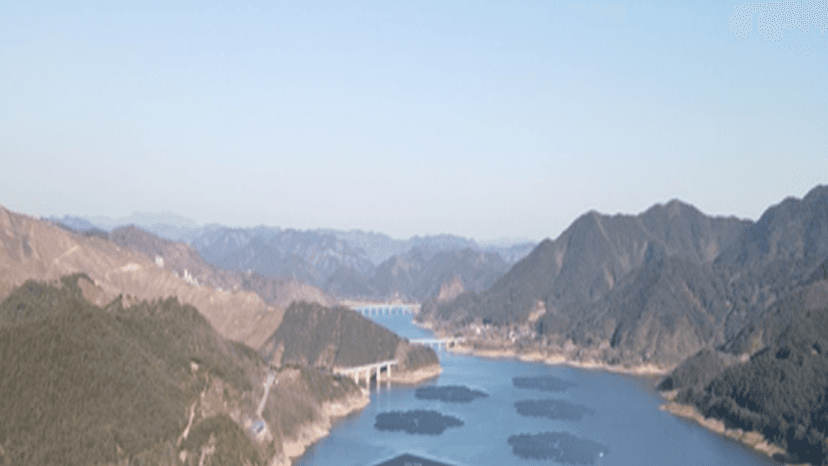
South Korea has commenced operations at its largest floating solar installation, situated on the Imha Dam reservoir. This initiative is part of the nation's broader strategy to expand renewable energy generation and reduce reliance on fossil fuels. The Imha Dam project, with a capacity of 47.2 MW, is designed to produce approximately 61 GWh annually, sufficient to power around 22,000 homes.
The floating solar farm distinguishes itself with a design inspired by the national flower, Mugunghwa, and the Taegeuk symbol from the Korean flag. This unique aesthetic choice aims to embed national identity into the clean energy project. By utilizing reservoir space, the system avoids the need for land-based installations, a critical advantage for countries with limited land resources.
This hybrid renewable energy system integrates with the dam's existing 50 MW hydropower plant. The combination of solar and hydropower leverages their complementary generation patterns—solar during the day and hydropower offering flexibility based on water availability and demand. This synergy demonstrates how existing water infrastructure can be enhanced for additional renewable energy output.
Moreover, the project emphasizes community involvement through a revenue-sharing program named 'Sunlight Pension.' This initiative is expected to provide financial benefits to thousands of local residents, fostering local support and participation in renewable energy development. South Korea has ambitious plans to expand floating solar capacity, aiming for up to 2.1 GW near major dams by 2030.
Despite the advantages, floating solar projects present challenges. Concerns have been raised regarding potential environmental impacts, water quality, maintenance costs, and equipment durability under varying weather conditions. The Imha Dam project serves as a key example of leveraging existing infrastructure for renewable energy expansion while ongoing monitoring will be crucial.


