Home / Science / Sea Slug Lives on Sunlight Like a Plant!
Sea Slug Lives on Sunlight Like a Plant!
22 Feb
Summary
- This sea slug can photosynthesize by stealing chloroplasts from algae.
- Juvenile slugs ingest chloroplasts from algae and integrate them into cells.
- The slug uses stolen chloroplasts for energy, reducing the need to eat.
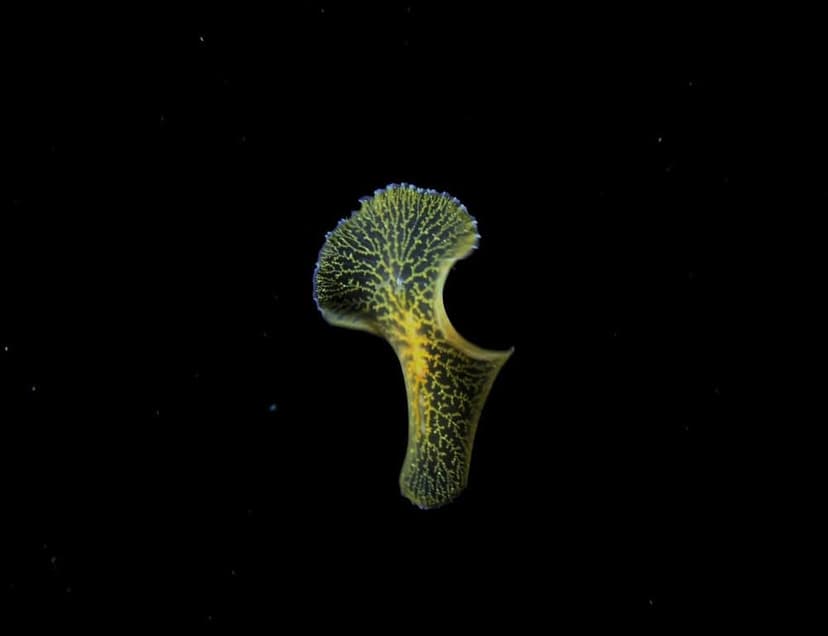
The Eastern Emerald Elysia, a sea slug found along the eastern coast of the United States, exhibits a unique ability to photosynthesize. This remarkable creature effectively functions like a plant, deriving energy from sunlight. This capability is achieved through a fascinating process called kleptoplasty, where the slug incorporates chloroplasts from the algae it consumes.
During its development, the juvenile slug ingests chloroplasts from Vaucheria litorea algae. Instead of digesting them, the slug retains these chloroplasts within its own cells, particularly in specialized pockets along its digestive tract. These stolen chloroplasts then perform photosynthesis, providing the slug with energy.
This solar-powered existence allows the Eastern Emerald Elysia to survive for extended periods, potentially up to nine months, with significantly reduced food intake. While scientists are still unraveling the exact mechanisms, including the potential role of horizontal gene transfer for essential protein production, this slug offers a stunning example of biological adaptation and inter-kingdom cooperation.