Home / Science / Earth's Sixth Extinction: Biodiversity Crisis Unfolds
Earth's Sixth Extinction: Biodiversity Crisis Unfolds
9 Apr
Summary
- Vertebrate populations have seen an average 73% decline since 1970.
- Habitat loss and degradation, driven by food systems, is the primary threat.
- Urgent action is needed to prevent further irreversible biodiversity loss.
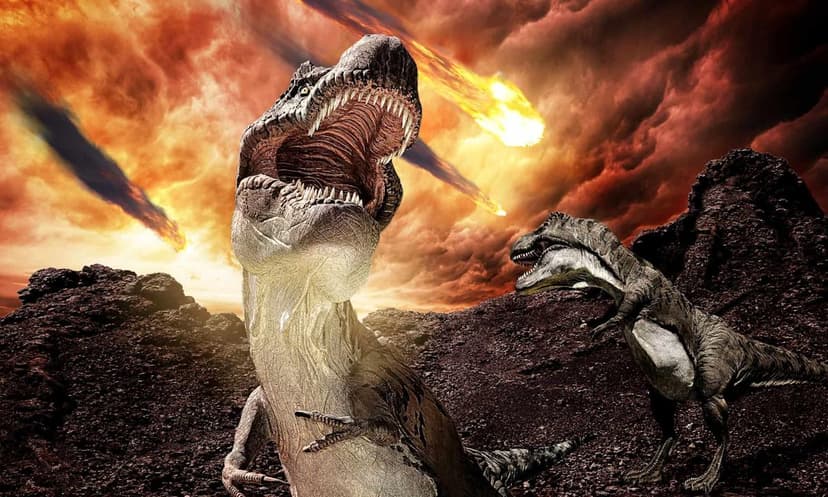
Experts express grave concern over an "unprecedented" decline in vertebrate and invertebrate populations, with many believing Earth is currently undergoing a sixth mass extinction event. This crisis, driven by human activities like industrialization and agriculture, has led to a staggering 73% average decrease in monitored vertebrate wildlife populations between 1970 and 2020. Habitat loss and degradation, largely attributed to our global food systems, are identified as the most significant threats to biodiversity.
Freshwater species are particularly devastated, showing an 85% loss, while terrestrial and marine species have also experienced significant declines. Insect populations are falling by 1-2% annually, impacting pollination and the broader food chain. Amphibians face a critical risk, with 43% globally threatened by pollution, climate change, and habitat fragmentation.
Conservationists emphasize that while the term "sixth mass extinction" is debated, the trajectory is clear: animals are declining at alarming rates. They stress that individual actions, such as planting native species and supporting conservation organizations, are vital. However, broader systemic change through government and business buy-in is also necessary to address this accelerating biodiversity crisis.


