

Home / Science / Shroud of Turin DNA Points to India Link
Shroud of Turin DNA Points to India Link
3 Apr
Summary
- New DNA analysis suggests Shroud of Turin has Indian subcontinent genetic links.
- Researchers found 38-40% of human mitochondrial DNA from Indian lineages.
- Findings suggest links to trade routes, not direct conclusions on authenticity.
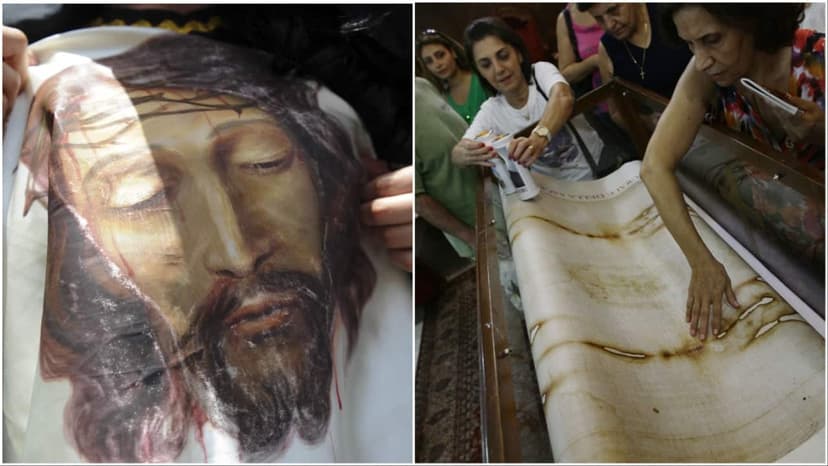
A recent DNA analysis of the Shroud of Turin has uncovered genetic connections to the Indian subcontinent, reigniting long-standing debates about the relic's origins. The Shroud, believed by many to be the burial cloth of Jesus Christ, bears a faint image of a crucified man and has a documented history beginning in 14th-century France.
Researchers examined minute biological material from the cloth, identifying DNA fragments from various sources including humans, plants, animals, and insects. Notably, about 38-40 percent of the recovered human mitochondrial DNA was linked to lineages from the Indian subcontinent, with the remainder primarily from the Near East.
Scientists involved in the study caution that these findings do not confirm the shroud's authenticity or link it directly to Jesus. Instead, they propose that ancient trade networks between the Indus Valley and the Mediterranean world could explain the presence of Indian genetic material. The exact timing of when this DNA was deposited remains unclear.
The study, published as a pre-peer-review paper, has spurred significant discussion, with some social media posts interpreting the findings as an "India link" to Jesus. However, researchers stress that the genetic data reflects the shroud's extensive history of exposure and handling over centuries, rather than definitive proof of its origin or religious significance. Previous scientific investigations, including a 1988 radiocarbon dating study suggesting a medieval origin between 1260 and 1390 AD, have also fueled controversy, with critics questioning the representativeness of the sampled material.

