Home / Science / Scythian Elite Status: Genes Reveal Family Power Ties
Scythian Elite Status: Genes Reveal Family Power Ties
6 Jul
Summary
- Genetic analysis reveals Scythian elites inherited status from relatives.
- The "Golden Man" was likely genetically male, belonging to the Saka group.
- Nearly half of elite Scythian individuals studied were female.
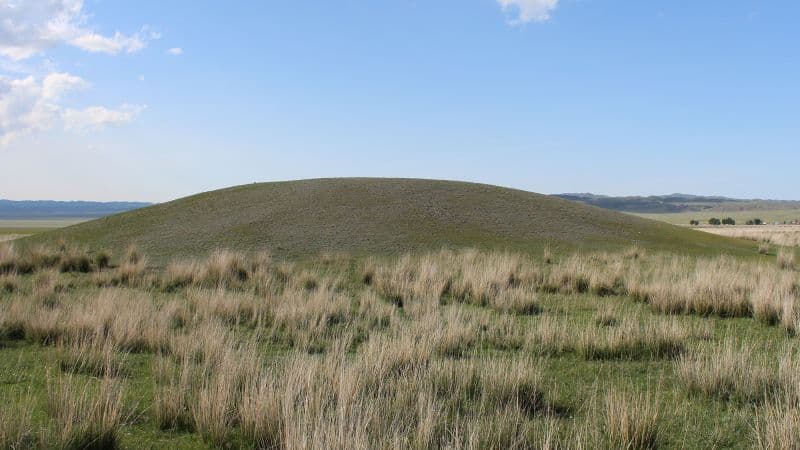
Genetic analysis has provided the first evidence that Scythian elites, including the renowned "Golden Man," inherited their elevated social status and power through family ties. This phenomenon, absent in the preceding Bronze Age, indicates a significant level of social stratification in the Eurasian Steppe during the Iron Age. Researchers compared DNA from 85 individuals, finding familial connections among elites even across geographically dispersed groups.
The "Golden Man," excavated in Kazakhstan around 400-300 BC, was likely genetically male and identified as part of the Saka subgroup. Intriguingly, the study found that nearly half of the 38 elite individuals examined were female, suggesting women also commanded significant respect and status within Scythian society, sometimes associated with shamanic roles.
Elite burials, often found in massive burial mounds called kurgans, contained rich grave goods and sometimes evidence of complex preservation techniques. These elaborate interments, sometimes including those of young children, underscore the hereditary nature of Scythian elite status and power, passed down through generations.


