Home / Science / Russia Deploys Brain-Controlled Bird Drones
Russia Deploys Brain-Controlled Bird Drones
27 Nov
Summary
- Scientists implant brain chips in pigeons for remote control.
- Birds act as 'biodrones' with GPS and neural interfaces.
- Larger birds like ravens and albatrosses are planned for future use.
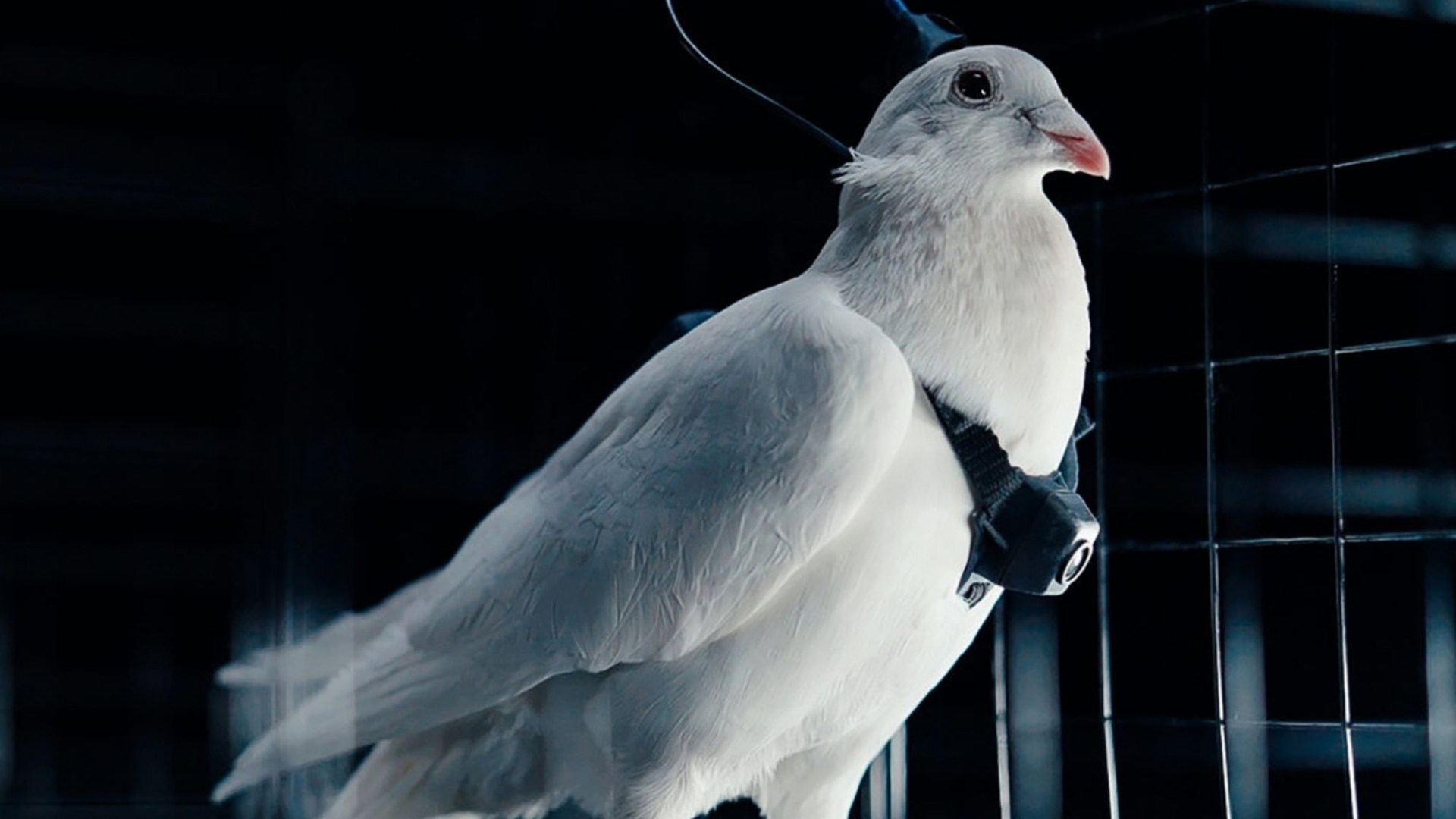
Kremlin-backed scientists have launched remote-controlled spy pigeons fitted with brain implants. Moscow neurotechnology firm Neiry claims its operators can steer flocks by sending signals directly into the birds' brains, effectively creating 'bird-biodrones' codenamed PJN-1. These pigeons are surgically implanted with neural chips, enabling technicians to direct their routes using electrodes connected to solar-powered backpacks with onboard electronics and GPS tracking.
Neiry asserts that no training is required, as the birds can be steered remotely in any direction by stimulating specific brain regions, making them 'believe they want to fly' as instructed. Pigeons are capable of flying up to 310 miles daily. The company plans to utilize larger birds like ravens for heavier payloads, seagulls for coastal monitoring, and albatrosses for extensive marine missions.
The flock-steering technology, designed for monitoring sensitive facilities, may find military applications, potentially in conflict zones. While Neiry aims for a 100% survival rate, the number of birds lost during experiments remains undisclosed. This initiative echoes Russia's previous development of combat dolphins for marine reconnaissance and operations.