Home / Science / Russian Space Station Dodges Radiation Risk
Russian Space Station Dodges Radiation Risk
27 Jan
Summary
- Bion-M No. 2 satellite launch prevented an orbital inclination error.
- Polar orbit radiation levels exceed those experienced by the ISS.
- Roscosmos used satellite data to inform future station design.
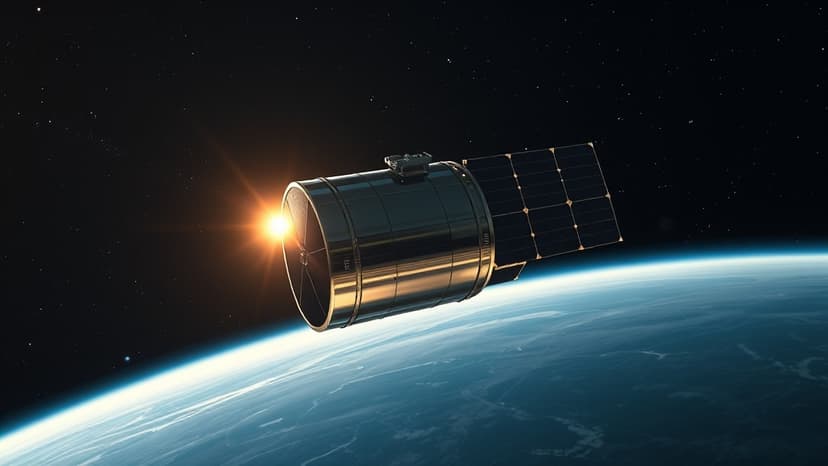
Roscosmos has successfully averted a critical error in the orbital inclination selection for the upcoming Russian Orbital Station (ROS). The launch and subsequent mission of the Bion-M No. 2 satellite, which occurred from August 20 to September 19, 2025, provided vital data.
This satellite was specifically sent into polar orbit to assess its viability for the ROS. The findings indicated that radiation levels in polar orbit are substantially higher than those encountered by the International Space Station (ISS) in its current orbital path.
According to Roscosmos CEO Dmitry Bakanov, this critical experiment allowed the corporation to make informed decisions and prevent a costly mistake in determining the ROS's orbital inclination, ensuring the safety and longevity of future Russian space endeavors.