Home / Science / Roman Secret: Venus Temple's 2000-Year Secret
Roman Secret: Venus Temple's 2000-Year Secret
28 Nov
Summary
- Romans used volcanic materials to make the Temple of Venus exceptionally durable.
- The temple's materials continue to consolidate and strengthen over time.
- Ground movement has submerged the ancient structure by about 20 feet.
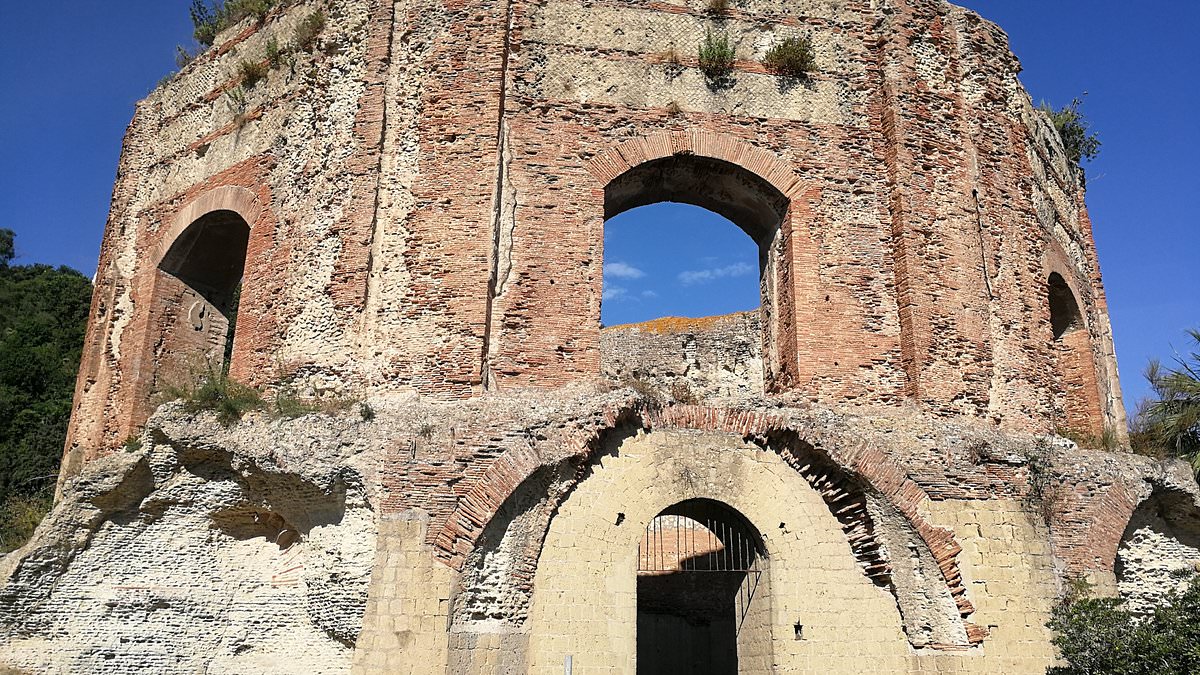
Scientists have uncovered the secrets behind the astonishing durability of the nearly 2,000-year-old Temple of Venus, located in Baiae, Italy. This octagonal Roman structure, commissioned by Emperor Hadrian, has withstood the test of time in a geologically active volcanic region. The key lies in the Romans' advanced understanding of materials; they intentionally incorporated volcanic ash and scoria into the lime-based mortars.
These volcanic additions triggered chemical reactions, forming new minerals that made the structure incredibly solid and resistant to environmental stresses, including bradyseism—the slow rising and sinking of the Earth's surface. The materials behave almost like natural rock, continuously consolidating rather than weakening. This careful selection and use of local volcanic resources demonstrate sophisticated Roman engineering.