Home / Science / Roman Soldiers Battled Diarrhea Near Hadrian's Wall
Roman Soldiers Battled Diarrhea Near Hadrian's Wall
19 Dec
Summary
- Ancient parasites found in Roman fort drains caused diarrhea.
- Infections weakened soldiers, impacting their fitness for duty.
- Roman sanitation was advanced but failed to prevent parasite spread.

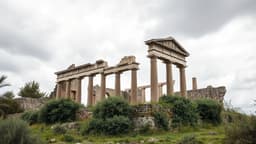
Evidence suggests Roman soldiers defending Hadrian's Wall around 2,000 years ago contended with significant health challenges, specifically diarrhea. Scientists analyzing sediment from sewer drains at the Vindolanda fort uncovered remnants of three types of intestinal parasites: whipworms, roundworms, and Giardia duodenalis. These infections, transmitted through contaminated food, drink, or hands due to ineffective sanitation, would have caused malnutrition and weakened the soldiers, reducing their fitness for duty.
The findings, published in the journal Parasitology, highlight the persistence of symptoms due to limited Roman medical interventions for such parasitic infections. While the Romans pioneered communal toilets with plumbing and sewers, the use of communal cleaning tools like the 'tersorium' likely facilitated disease transmission. This research aligns with similar discoveries at other Roman military sites across the Empire, underscoring the common gastrointestinal risks faced by legionaries.
The presence of Giardia duodenalis marks the first such discovery in Roman Britain, indicating potential for severe illness and dehydration, particularly during summer outbreaks linked to contaminated water. Earlier deposits from a fort abandoned between AD 91 and AD 92 also yielded roundworm and whipworm eggs. These findings offer a stark glimpse into the daily health struggles of soldiers tasked with defending the Roman province of Britannia.