
Home / Science / Roman Empire's Fall: Genes Reveal Peaceful Integration
Roman Empire's Fall: Genes Reveal Peaceful Integration
29 Apr
Summary
- Genome data challenges violent 'barbarian invasion' theory.
- Intermarriage between Romans and locals followed empire's collapse.
- Migration occurred in small groups, not large tribal blocs.
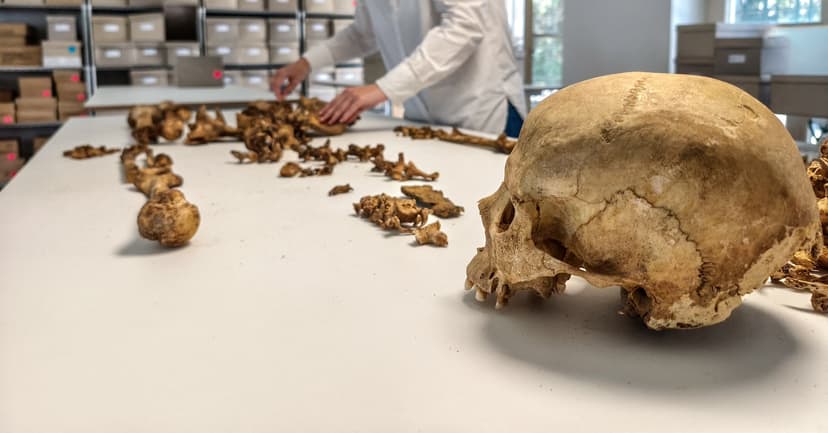
New genetic research offers a revised perspective on the fall of the Western Roman Empire. Analyzing genomes from individuals buried between 450 and 620 AD in southern Germany, scientists have found that the collapse of Roman authority did not result in a violent 'barbarian invasion' as popularly believed. The study, published in Nature, utilized data from 258 individuals from row grave cemeteries in Bavaria and Hesse.
The genome data reveals a significant demographic shift that precisely coincided with the disintegration of Roman state structures in the late fifth century. Contrary to invasion narratives, the findings indicate that people from Northern Europe had been migrating south in small, kinship-based groups for generations prior to the empire's end. These groups maintained distinct genetic heritages while living separately from the Roman population.
Following the empire's demise, the abandonment of imperial marriage restrictions facilitated intermarriage between the Roman military and civilian population, and the existing inhabitants. This led to a peaceful integration of diverse peoples, forming a new early medieval society. This pattern of gradual migration by small groups directly contradicts the traditional narrative of a mass barbarian takeover.
