Home / Science / Did Romans Reach Americas Before Columbus?
Did Romans Reach Americas Before Columbus?
19 Mar
Summary
- A Roman artifact was discovered in a sealed Mexican tomb.
- Scientific dating suggests the artifact predates Columbus's arrival.
- Skepticism remains due to lack of other Roman evidence in Americas.
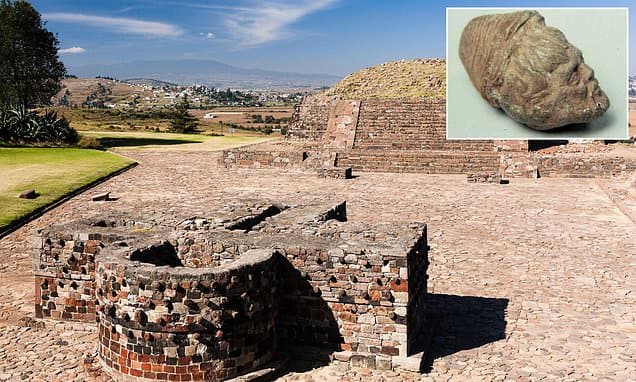
The discovery of a Roman artifact in Mexico is challenging established timelines of New World exploration. Unearthed in 1933 within a sealed pre-Hispanic burial, the Tecaxic-Calixtlahuaca Head features European characteristics and craftsmanship distinct from Mesoamerican traditions. German archaeologist Bernard Andreae dated the artifact to the Roman Severan period (around 200 AD), a conclusion supported by thermoluminescence dating.
The burial context itself dates to the late 15th century, preceding Columbus's arrival in 1492 and Hernán Cortés's appearance. This timeline creates a significant enigma, as it predates known European contact. While some propose theories of accidental transatlantic voyages, many archaeologists remain cautious, citing the lack of corroborating Roman settlements or artifacts in the Americas.
Skeptics point to potential issues with the 1933 excavation records or suggest the artifact may have been introduced later, possibly during early European exploration. However, the sealed nature of the tomb and its multiple intact layers challenge the latter explanation. The debate highlights how anomalous findings, like the confirmed Norse settlements, can reshape historical understanding.
This singular artifact presents a compelling anomaly that continues to fuel speculation about ancient transatlantic encounters. Further research and scientific analysis may eventually clarify how a Roman object came to rest in a pre-Hispanic Mexican burial centuries before Columbus.