feedzop-word-mark-logo
searchLogin
Feedzop
homeFor YouIndiaIndia
You
bookmarksYour BookmarkshashtagYour Topics
Trending
trending

Brad Pitt's F1 movie

trending

Single higher education regulator

trending

South Africa Women win series

trending

Karunya KR-734 lottery results

trending

PUBG Mobile Esports 2026 Roadmap

trending

Akshay praises Akshaye Khanna's acting

trending

Delhi NCR GRAP-IV imposed

trending

Kapil Sharma on Laughter Chefs

trending

December meteor shower in India

Terms of UsePrivacy PolicyAboutJobsPartner With Us

© 2025 Advergame Technologies Pvt. Ltd. ("ATPL"). Gamezop ® & Quizzop ® are registered trademarks of ATPL.

Gamezop is a plug-and-play gaming platform that any app or website can integrate to bring casual gaming for its users. Gamezop also operates Quizzop, a quizzing platform, that digital products can add as a trivia section.

Over 5,000 products from more than 70 countries have integrated Gamezop and Quizzop. These include Amazon, Samsung Internet, Snap, Tata Play, AccuWeather, Paytm, Gulf News, and Branch.

Games and trivia increase user engagement significantly within all kinds of apps and websites, besides opening a new stream of advertising revenue. Gamezop and Quizzop take 30 minutes to integrate and can be used for free: both by the products integrating them and end users

Increase ad revenue and engagement on your app / website with games, quizzes, astrology, and cricket content. Visit: business.gamezop.com

Property Code: 5571

Home / Science / Reindeer Noses Really Can Be Red: Arctic Secrets Revealed

Reindeer Noses Really Can Be Red: Arctic Secrets Revealed

10 Dec

•

Summary

  • Reindeer noses can appear red due to blood flow regulating heat.
  • Both male and female reindeer possess antlers, with unique shedding cycles.
  • Reindeer eyes change color seasonally to adapt to light levels.
Reindeer Noses Really Can Be Red: Arctic Secrets Revealed

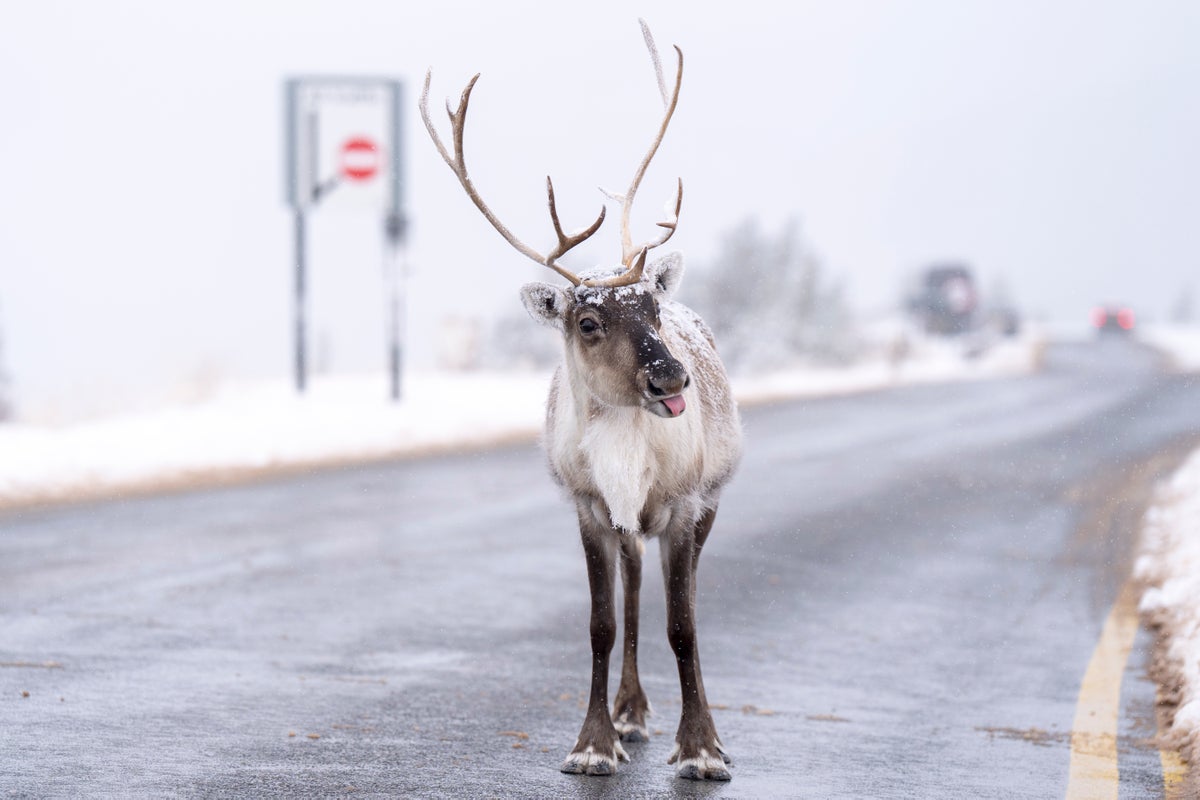
Reindeer exhibit extraordinary adaptations to their Arctic environment. Their noses can indeed appear red, a result of blood flow adjustments for heat exchange, much like flushing in fair-skinned individuals. This ability, alongside specialized fur and fat reserves, helps them survive harsh winters. Their eyes undergo a seasonal color change, shifting from gold-turquoise in summer to deep blue in winter to maximize light absorption.

Unique among deer species, both male and female reindeer grow antlers. However, females retain theirs throughout the year, crucial for foraging and warding off younger males during winter. Males shed their larger antlers after the mating season, with older bulls shedding earlier than younger ones. The distinct clicking sound from their knees might serve as an acoustic signal in social interactions.

These iconic Arctic mammals are facing significant threats. Global populations have declined substantially due to human activities like farming, mining, and climate change, which impacts their ability to build essential fat reserves during warmer months. Conservation efforts, including maintaining captive populations, are vital to ensure the survival of this culturally significant species.

Disclaimer: This story has been auto-aggregated and auto-summarised by a computer program. This story has not been edited or created by the Feedzop team.
Reindeer noses can appear red because blood flow increases near the skin's surface to help regulate body temperature in the cold Arctic environment.
Only female reindeer (cows) keep their antlers year-round, while males (bulls) shed theirs annually after the mating season.
Reindeer eyes change from a gold-turquoise color in summer to deep blue in winter due to alterations in collagen fiber spacing and pressure within the eye.

Read more news on

Scienceside-arrow

You may also like

Polar Bears Rewriting DNA to Survive Climate Change

1 day ago • 20 reads

article image

Arctic Race: Churchill's Port Revival Amidst Global Scramble

11 hours ago • 3 reads

article image

White Christmas Melting Away?

1 day ago • 7 reads

article image

Sami Reindeer Herders Blend Tech and Tradition

6 Dec • 27 reads

article image

Arctic Wildlife Beyond Bears: A Hidden World

23 Nov • 74 reads

article image