Home / Science / Demons of the Deep: Rare Blind Fish Discovered in Huntsville Cave
Demons of the Deep: Rare Blind Fish Discovered in Huntsville Cave
30 Jul
Summary
- A new species of eyeless, pale cavefish was discovered.
- The fish were found in a cave system beneath Redstone Arsenal.
- Researchers named the species Demogorgonichthys arcanus, or 'demon cavefish'.
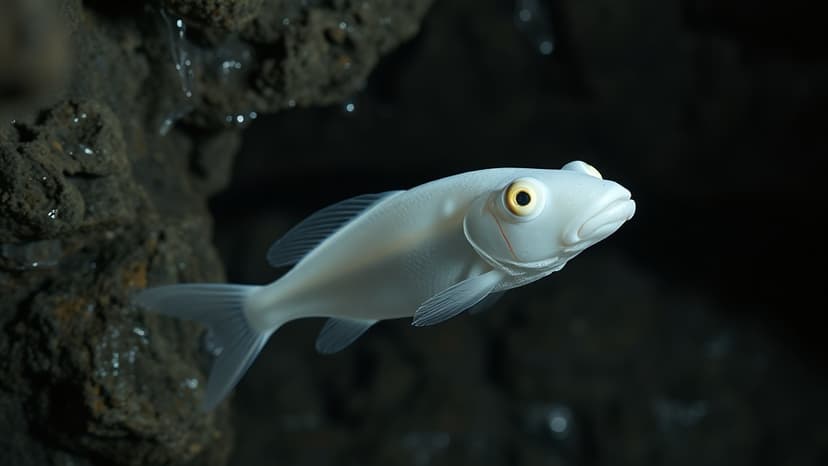
In a surprising ecological find, a new species of pale, eyeless cavefish has been identified within a cave system located beneath Redstone Arsenal in Huntsville, Alabama. The fish, scientifically named Demogorgonichthys arcanus, have been colloquially dubbed 'demon cavefish' by researchers due to their unique appearance and the location of their discovery. This finding is particularly noteworthy as the cave system has been subject to extensive study for decades, including regular water quality monitoring to protect the endangered Alabama Cave Shrimp that also inhabit the area.
This discovery occurred serendipitously in early 2025 when lead researcher Matthew Niemiller of The University of Alabama in Huntsville accidentally fell into a deeper pool within Bobcat Cave. He observed the unusual cavefish and its distinct features, prompting further investigation. Subsequent genetic analysis confirmed that the demon cavefish represents a distinct species, showcasing unique mutations in its light-sensitive rhodopsin protein, indicating an independent loss of vision in total darkness. The cave's environment may have been influenced by Redstone Arsenal's history of chemical weapons production and burial, with surface water potentially carrying contaminants to the groundwater.
Given that demon cavefish are currently known only from this single cave, researchers have concluded that the species is highly vulnerable and meets the criteria for critically endangered status. The exact population size remains unknown, with many individuals potentially residing in inaccessible parts of the cave. This discovery underscores the importance of continued research and conservation efforts in unique subterranean ecosystems.


