Home / Science / Floods unearth Queensland's hidden history
Floods unearth Queensland's hidden history
8 Feb
Summary
- Thousands of artefacts unearthed by 2011 floods, not excavation.
- Students are cataloguing historical dinner plates and bottles.
- 2032 Olympics infrastructure may unearth more historical items.
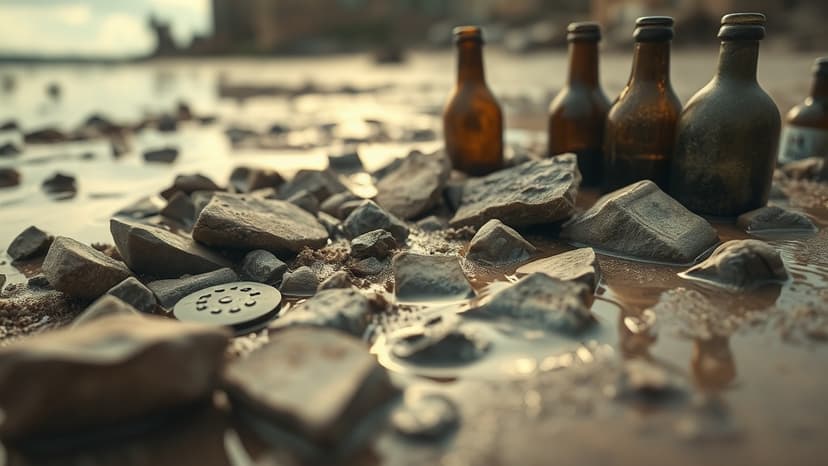
In a surprising turn of events, tens of thousands of historical artefacts were unearthed in Queensland not by planned archaeological digs, but by the 2011 floods. These relics, including ceramic shards from dinner plates and fragments of rum bottles, are now being catalogued by university students. The collection offers a tangible link to Brisbane's early colonial period, dating back to the 1870s through the 1890s.
Students like Emily Totivan and Elisha Kilderry are meticulously assembling these everyday objects, finding immense reward in touching history. Their work offers a contrast to dramatic portrayals of archaeology, focusing instead on the local, quotidian remnants of past lives. This hands-on experience is crucial for understanding the material culture of Queensland's formative years.
The 2011 floodwaters dislodged these artefacts, which were then salvaged by the University of Queensland Archaeological Services Unit. While their violent removal from their original context lessens scientific value, these objects hold significant emotive and historical importance. They provide insights into daily life, from ornate toilet seats to small ink bottles.
As Brisbane gears up for the 2032 Olympics, further archaeological discoveries are anticipated. The construction of new infrastructure, including a proposed stadium on a heritage-listed site, is expected to unearth more of the city's layered history, potentially revealing further insights into its Indigenous, colonial, and multicultural past.