Home / Science / Study: Same-Sex Acts Strengthen Primate Groups
Study: Same-Sex Acts Strengthen Primate Groups
12 Jan
Summary
- Same-sex sexual behavior is common in 59 primate species.
- Behavior is more likely in species facing scarce resources.
- It helps increase bonding and decrease tension in groups.
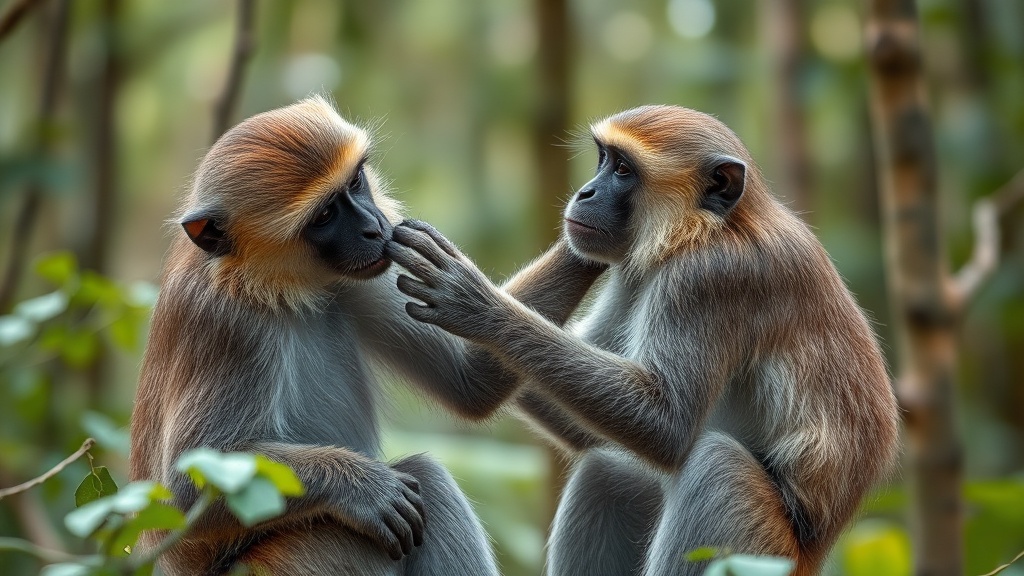
A recent study published in Nature Ecology & Evolution reveals that same-sex sexual behavior is a common occurrence across numerous primate species, appearing in 59 documented instances. Researchers propose this behavior plays a crucial role in strengthening social bonds and maintaining group stability, particularly when facing environmental or social pressures.
The analysis indicates a correlation between same-sex sexual behavior and species inhabiting drier environments with limited resources and higher predator threats. It also appears more frequently in species with longer lifespans and noticeable size differences between males and females, features often associated with complex social structures and competition.
These findings suggest that same-sex sexual behavior acts as an affiliative mechanism, fostering stronger connections, mitigating aggression, and helping primate societies navigate their specific challenges. While cautioning against direct human parallels, the study prompts consideration of modern social pressures on human behavior and social dynamics.