Home / Science / Plastic Soup: Fatty Liver's New Culprit?
Plastic Soup: Fatty Liver's New Culprit?
5 Aug
Summary
- Polyethylene plastic may worsen fatty liver disease.
- Western diets combined with polyethylene increase risk.
- New research explores molecular pathways in liver damage.
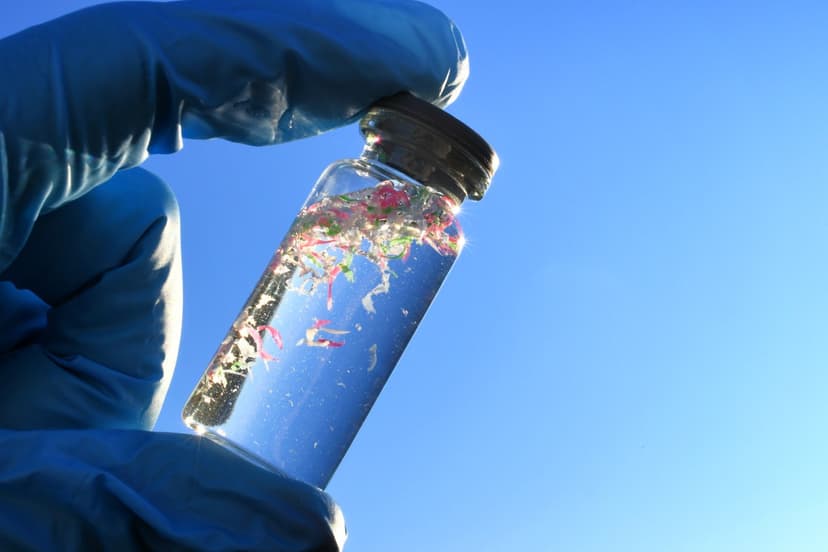
A common type of plastic, polyethylene, widely used in food packaging, is now linked to fatty liver disease. New research from Texas A&M University indicates that polyethylene exposure can independently increase signs of this condition.
Further findings reveal that when polyethylene is combined with a diet high in fat, fructose, and cholesterol, akin to a typical Western diet, the impact on the liver is amplified. This suggests individuals with unhealthy eating habits may face a heightened risk of liver disease progression if exposed to this plastic.
Scientists utilized spatial transcriptomics to pinpoint damage within liver cells, identifying key proteins and genes like PPAR-alpha and ANXA2 as potentially involved in the body's response. This pioneering study opens avenues for future research into fibrosis and therapeutic interventions targeting these molecular pathways.


