Home / Science / Pollution Harms Ant Societies: A Warning for Humans
Pollution Harms Ant Societies: A Warning for Humans
19 Feb
Summary
- Ozone pollution changes hydrocarbons, making ants unrecognizable to colony mates.
- Polluted ants may be attacked or neglected, leading to colony collapse.
- Human-produced pollution threatens ant societies, mirroring human societal impacts.
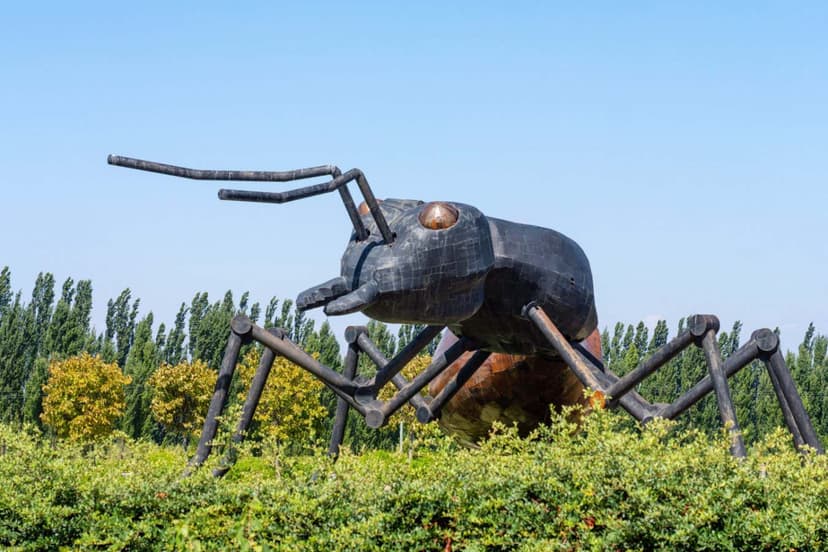
Human-produced pollution is causing significant harm to ant colonies by disrupting their recognition systems. Ozone emissions can alter the hydrocarbon layer on ants' exoskeletons, preventing them from recognizing their own nestmates. This breakdown in communication can lead to colony members attacking each other or neglecting vulnerable larvae, potentially causing the demise of entire colonies.
Scientists like Deborah Gordon have discovered that ant behavior is algorithmic, operating on distributed signaling networks similar to computer networks, which she nicknamed "the anternet." This system relies on ants being able to identify and communicate with colony sisters. However, when pollution oxidizes these vital hydrocarbons, this recognition process fails.
The article argues that this phenomenon underscores a broader issue: humans frequently use ants as analogies for human or machine behavior without appreciating their unique existence. The disruption of ant societies by pollution serves as a critical warning about our environmental impact on the natural world.