Home / Science / Plastic Reaches Earth's Most Isolated Ecosystems
Plastic Reaches Earth's Most Isolated Ecosystems
21 Jul
Summary
- 92% of deep-sea animals examined contained microplastics.
- Indian Ocean animals had 14.7 times more plastic than Pacific.
- Polystyrene was the most frequently detected plastic material.
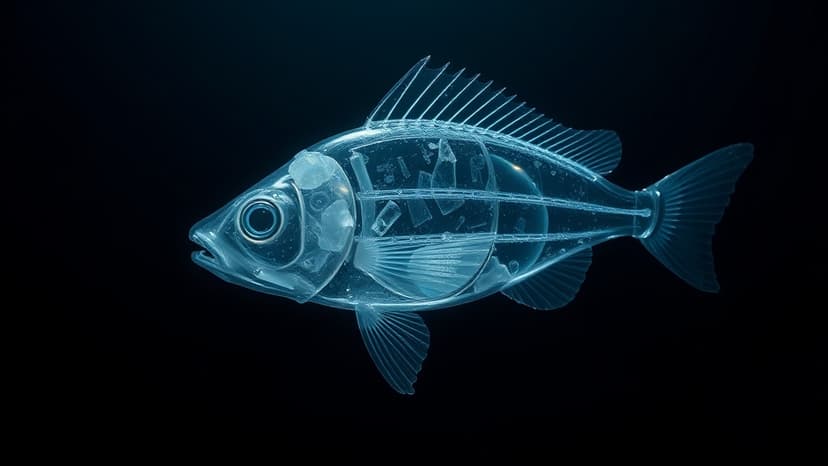
Microplastic pollution has been detected in deep-sea animals living over 2,000 meters below the surface, revealing that even Earth's most isolated marine ecosystems are affected by human waste. A study analyzing creatures from hydrothermal vent ecosystems found that 92% contained microplastics, with an average of 3.4 particles per individual.
Researchers observed a significant regional disparity: deep-sea animals from the Indian Ocean's Central Indian Ridge contained up to 14.7 times more microplastics than those from the Pacific Ocean's North Fiji Basin. This difference is potentially linked to higher plastic input from coastal populations and shipping routes in the Indian Ocean.
The most frequently identified plastic was polystyrene, commonly used in everyday products. This indicates that plastic debris travels vast distances from land and surface waters, eventually sinking to the ocean floor and impacting unique deep-sea food webs.
These findings underscore the pervasive reach of plastic pollution, affecting even remote habitats that were once considered immune to human influence. The study highlights the urgent need for global monitoring and reduction of plastic waste entering marine environments.


