Home / Science / Peptide Power: Tiny Molecules Revolutionize Medicine
Peptide Power: Tiny Molecules Revolutionize Medicine
13 Mar
Summary
- Over 80 peptide drugs approved globally, with 150+ in clinical trials.
- Peptides act as precise messengers regulating bodily functions.
- Misuse of popular peptides poses health risks like imbalances.
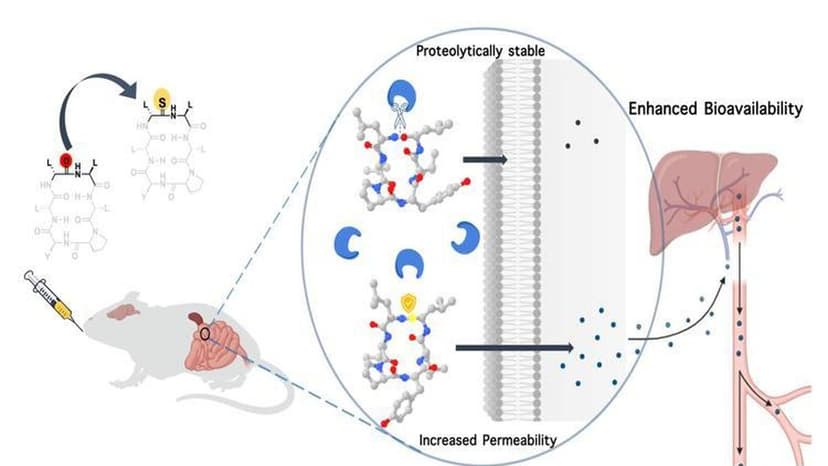
Peptide therapeutics are rapidly advancing in both research and clinical practice worldwide. With over 80 peptide-based drugs already approved globally and more than 150 currently undergoing clinical trials, these molecules are proving to be a significant frontier in medicine. Peptides, which are small chains of amino acids, naturally serve as crucial messengers within the body, regulating vital functions such as hormone release, metabolism, and immune responses.
Their therapeutic application involves using these molecules to mimic natural body signals, delivering targeted instructions to specific cells. This precision allows peptide therapies to influence particular biological pathways with remarkable accuracy, often leading to better tolerance compared to conventional drugs. Studies indicate that peptide drugs constitute nearly 9% of new medicines approved by the U.S. Food and Drug Administration in recent years.
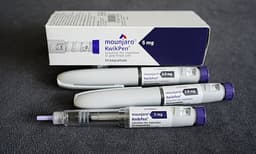
Interest in peptide therapies is particularly high for metabolic diseases like diabetes and obesity, with GLP-1-based drugs showing significant promise in blood sugar and appetite regulation. Beyond endocrinology, peptides are being explored in oncology to target tumors or deliver drugs directly to cancer cells. Their potential extends to regenerative medicine for tissue repair and to dermatology, wound healing, osteoporosis, and cardiovascular diseases, underscoring their expanding therapeutic scope.
Despite their established medical use, the burgeoning popularity of peptides in the biohacking, fitness, and anti-ageing sectors has unfortunately led to over-marketing and potential misuse. Experts caution that many peptides promoted online lack robust human clinical trials, and some products may contain impurities or incorrect dosages. Improper use can result in serious health risks, including metabolic disturbances and cardiovascular issues, emphasizing the critical need for medical consultation.