

Home / Science / Tiny Penguins: Big Clues to Toxic 'Forever Chemicals'
Tiny Penguins: Big Clues to Toxic 'Forever Chemicals'
9 Apr
Summary
- PFAS detected in 90% of Magellanic penguins studied.
- New study used penguins as 'toxicologists' with leg sensors.
- Even newer 'safer' PFAS chemicals are found globally.
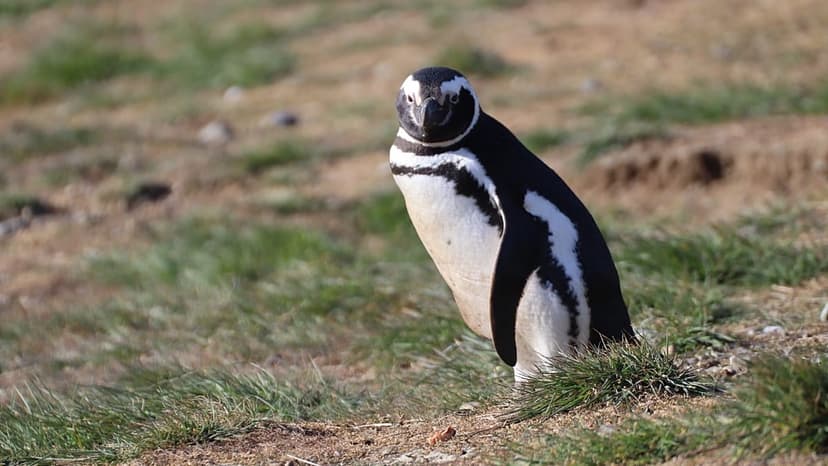
Scientists have developed an innovative method to monitor 'forever chemicals' in wildlife, finding widespread PFAS contamination even in remote penguin populations. A study focused on Magellanic penguins along Argentina's Patagonian coast revealed that 90% of the birds carried traces of these persistent pollutants.
This research, published in Earth: Environmental Sustainability, utilized passive samplers attached to penguin legs. These devices absorbed chemicals from the environment, providing crucial data without invasive sampling. The analysis detected both older PFAS compounds and newer replacements.
Researchers expressed concern that these newer PFAS, often marketed as safer alternatives, are still highly persistent. Their ability to spread globally poses significant exposure risks to various wildlife species, underscoring the pervasive nature of these chemicals. The team plans to expand their monitoring to other species like cormorants.
