


Home / Science / Gut Bacteria: Your Secret Defense Against Peanut Allergies?
Gut Bacteria: Your Secret Defense Against Peanut Allergies?
6 Apr
Summary
- Mouth and gut bacteria may break down peanut allergens.
- Beneficial bacteria like Rothia weaken allergens, reducing immune response.
- Microbiome health could predict allergy severity and guide new treatments.
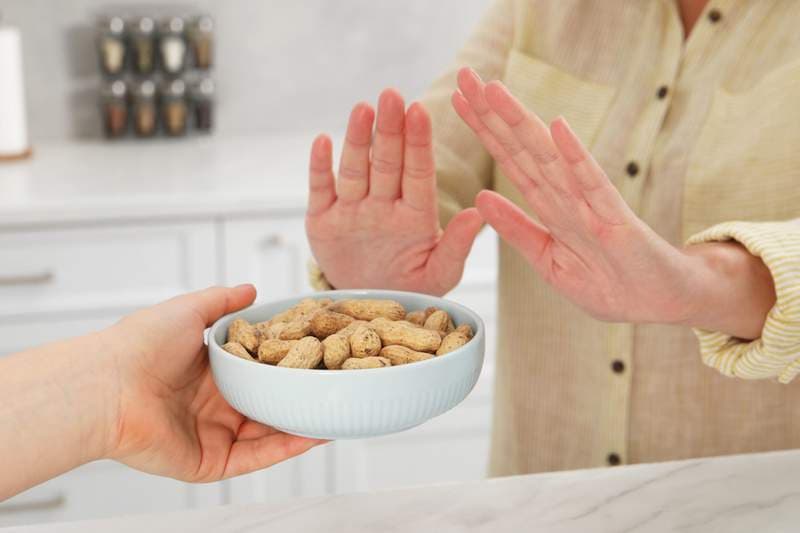
A new study suggests that the bacteria residing in our mouths and guts may explain why some individuals with peanut allergies experience mild reactions while others face life-threatening emergencies. Researchers identified specific bacteria, particularly Rothia species, capable of breaking down peanut allergens before they can trigger a strong immune response.
This microbial action weakens the peanut proteins' ability to bind to IgE antibodies, thus reducing the severity of allergic symptoms. Studies involving children with peanut allergies showed a clear correlation: those who could tolerate more peanut had higher levels of these allergen-degrading bacteria.
These findings shift the understanding of food allergies from solely an immune system issue to one that also involves the digestive microbiome. The research opens doors for developing new treatments, such as probiotics, and improving risk prediction for peanut allergies by analyzing a patient's unique microbial composition.
