Home / Science / Gut Immune Cells Fuel Parkinson's Brain Spread
Gut Immune Cells Fuel Parkinson's Brain Spread
30 Jan
Summary
- Gut macrophages transfer toxic Parkinson's proteins to the brain.
- Reducing gut macrophages lessened disease spread and improved symptoms in mice.
- Parkinson's may originate in the gut before affecting the brain.
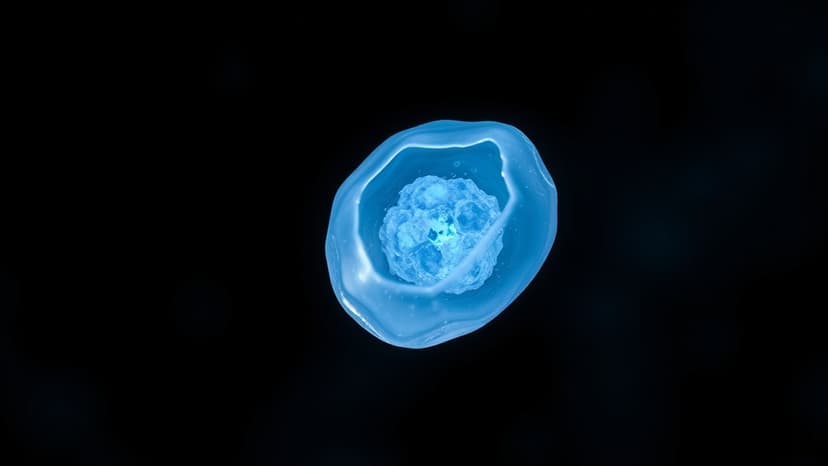
A groundbreaking study has illuminated the pathway by which Parkinson's disease may spread from the gut to the brain. Researchers identified gut macrophages, a type of immune cell, as key players in transferring toxic alpha-synuclein proteins. These proteins, found in the brains of Parkinson's patients, were consumed by macrophages in mouse models. The study, published in Nature, indicates these dysfunctional macrophages then signal T-cells to migrate from the gut to the brain, accelerating disease progression. Reducing gut macrophage numbers in mice significantly lowered toxic protein levels in the brain and improved motor function. This discovery suggests targeting these immune cells could offer a novel therapeutic strategy for slowing or halting Parkinson's before it severely impacts the brain. Early detection through potential blood tests, before significant brain damage occurs, could revolutionize patient care. Parkinson's disease symptoms often begin in the gut years before motor issues manifest, underscoring the importance of this gut-brain connection.