Home / Science / Pandemic Pause: Wildlife Reclaimed Space as Humans Stayed Home
Pandemic Pause: Wildlife Reclaimed Space as Humans Stayed Home
22 May
Summary
- Human presence, not just habitat destruction, impacts wildlife behavior.
- Cell phone data tracked human activity during the pandemic lockdown.
- Animal movements shifted based on human proximity and habitat type.
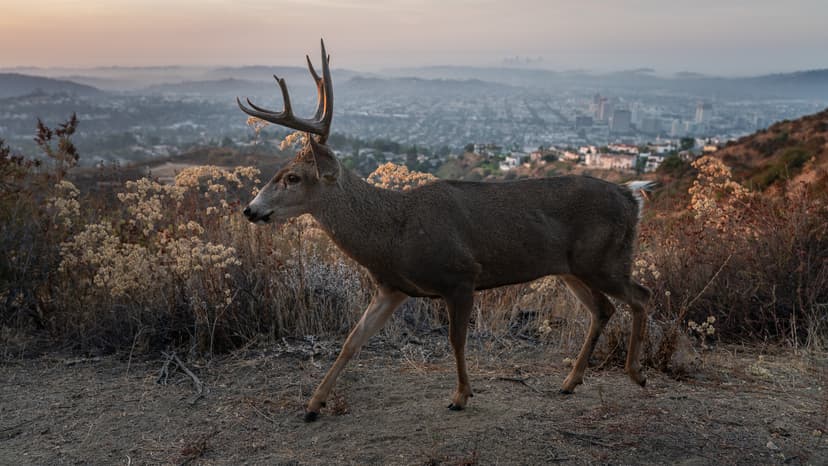
A recent analysis of human and animal movements during the Covid-19 pandemic has revealed that wildlife behavior is significantly influenced by human presence, not solely by habitat modification. Scientists paired cellphone location data with GPS tracking from 37 wild bird and mammal species across the United States.
The study found that for two-thirds of the species, the presence of humans affected the geographic space animals occupied or the variety of environments they utilized. These impacts were complex and often intertwined with landscape changes, with effects more pronounced in rural areas than in urban settings.
Researchers utilized aggregated, anonymized cellphone data to quantify human presence weekly in census blocks throughout 2019 and 2020. This allowed them to disentangle the effects of human activity from physical landscape alterations, providing a more direct measure than previous studies relying on lockdown policy strictness.
Many species, including coyotes and wild turkeys, reduced their covered area when human presence increased, indicating shrinking living spaces. However, effects varied, with some species like gray wolves increasing their travel distances, possibly to avoid human encounters. The findings suggest that successful wildlife conservation requires addressing both habitat modification and human proximity.


