Home / Science / Scientist Discovers 1,000+ New Species!
Scientist Discovers 1,000+ New Species!
6 Dec, 2025
Summary
- Discovered over 1,000 new species, many arachnids and invertebrates.
- Inspired to collect first specimen on the day Elvis Presley died.
- Taxonomy is vital for conservation efforts, says the scientist.
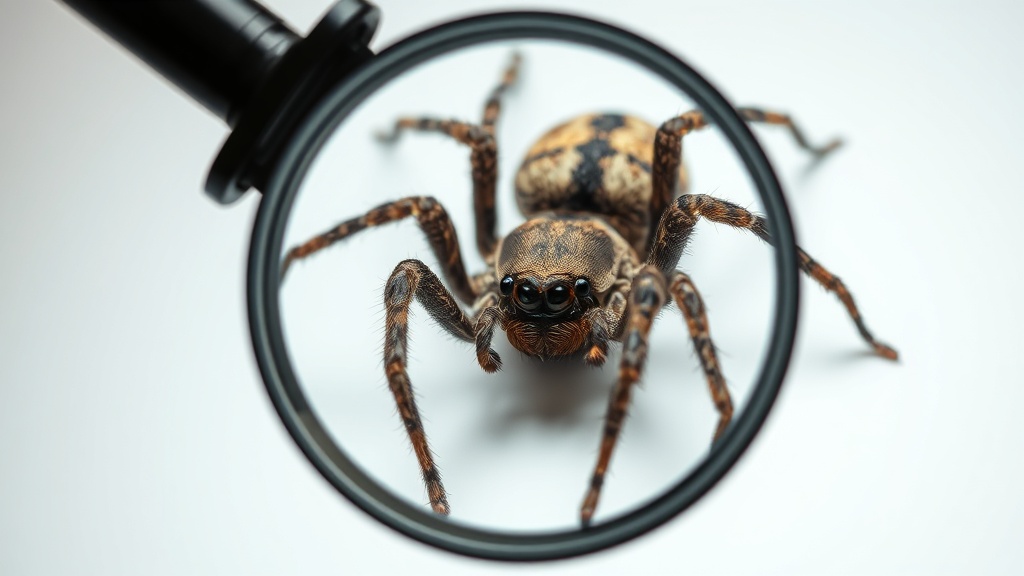
A distinguished biologist has surpassed an incredible milestone, describing over 1,000 new species, predominantly arachnids and invertebrates. This remarkable achievement began on August 16, 1977, a day globally remembered for Elvis Presley's passing, but for this scientist, it marked the discovery of his first pseudoscorpion specimen. This pivotal moment ignited a lifelong passion for taxonomy.
Having dedicated much of his career to cataloging biodiversity, the scientist emphasizes taxonomy's crucial role in conservation. He states that understanding and naming species is the essential first step in protecting them from threats like habitat loss and climate change. His meticulous work, characterized by a keen eye for detail and extensive fieldwork, has earned him global recognition.
Colleagues laud his scientific legacy and his invaluable mentorship, with numerous species named in his honor. Despite officially retiring, he continues his research, driven by a deep concern for the natural world and a desire to document the countless species he has collected. He estimates having thousands more yet to be described, highlighting the vastness of undiscovered life.