Home / Science / 194-Year-Old Tortoise's DNA Offers Clues to Aging
194-Year-Old Tortoise's DNA Offers Clues to Aging
7 Oct
Summary
- Jonathan, a 194-year-old tortoise, had his genome sequenced for the first time.
- The study examined genes related to DNA repair and telomere maintenance.
- Scientists found shared genes with other long-living species like naked mole rats.
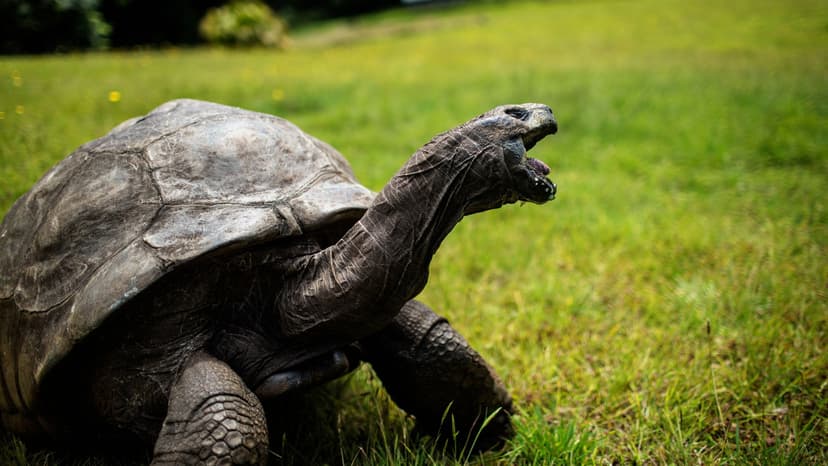
The genome of Jonathan, a 194-year-old Aldabra giant tortoise and the world's oldest known land animal, has been sequenced for the first time. This landmark study, published in Science Advances, offers an unprecedented look into the aging process across nearly two centuries.
Scientists examined Jonathan's DNA, comparing it with younger tortoises. They identified molecular differences in genes responsible for DNA repair and the maintenance of telomeres, protective caps on chromosomes. This suggests the species may possess evolved resilience against age-related decline.
Further analysis revealed that Jonathan shares genetic traits with other exceptionally long-lived species, such as naked mole rats, known for their resistance to cancer and extended lifespans. The study also investigated Jonathan's epigenome, finding preserved control switches linked to mitochondria, crucial for cellular energy and healthy aging.
While these findings provide tantalizing clues about longevity, researchers urge caution in drawing direct parallels to human aging. Factors such as Jonathan's dedicated veterinary care and protected environment may also contribute to his extraordinary lifespan.


