feedzop-word-mark-logo
searchLogin
Feedzop
homeFor YouIndiaIndia
You
bookmarksYour BookmarkshashtagYour Topics
Trending
Terms of UsePrivacy PolicyAboutJobsPartner With Us

© 2026 Advergame Technologies Pvt. Ltd. ("ATPL"). Gamezop ® & Quizzop ® are registered trademarks of ATPL.

Gamezop is a plug-and-play gaming platform that any app or website can integrate to bring casual gaming for its users. Gamezop also operates Quizzop, a quizzing platform, that digital products can add as a trivia section.

Over 5,000 products from more than 70 countries have integrated Gamezop and Quizzop. These include Amazon, Samsung Internet, Snap, Tata Play, AccuWeather, Paytm, Gulf News, and Branch.

Games and trivia increase user engagement significantly within all kinds of apps and websites, besides opening a new stream of advertising revenue. Gamezop and Quizzop take 30 minutes to integrate and can be used for free: both by the products integrating them and end users

Increase ad revenue and engagement on your app / website with games, quizzes, astrology, and cricket content. Visit: business.gamezop.com

Property Code: 5571

Home / Science / Stone Age Hunters Used Toxic Arrows 60 Millennia Ago

Stone Age Hunters Used Toxic Arrows 60 Millennia Ago

8 Jan

•

Summary

  • Oldest poison arrows ever found date back 60,000 years.
  • Traces of gifbol plant toxins identified on Stone Age arrowheads.
  • Discovery reveals advanced hunting strategies and cognitive abilities.
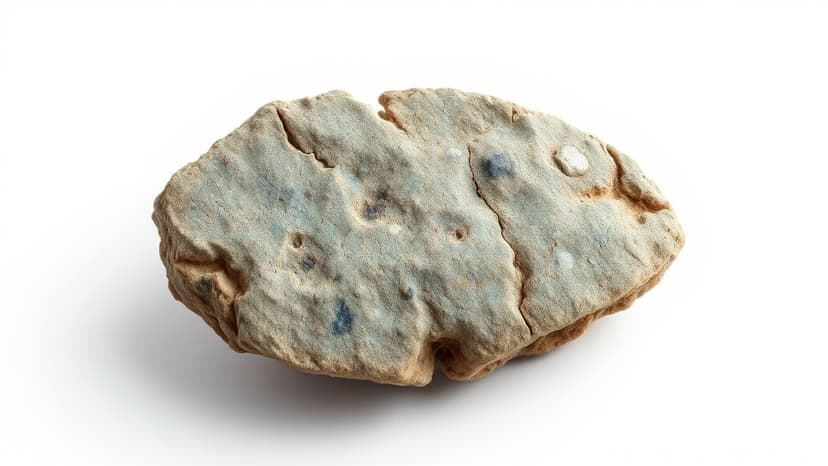
Stone Age Hunters Used Toxic Arrows 60 Millennia Ago

Approximately 60,000 years ago, hunter-gatherers in South Africa utilized sophisticated hunting techniques involving poison-tipped arrows. Scientists have identified the oldest known examples of these poisoned tools, finding residue from the gifbol plant on Stone Age arrowheads excavated from the Umhlatuzana Rock Shelter. This discovery, published in Science Advances, pushes back the timeline for such advanced hunting strategies by thousands of years.

The analysis revealed chemical traces of alkaloids, specifically from the gifbol plant, on quartz arrowheads. This indicates that prehistoric humans possessed significant knowledge of plant toxins, understanding which plants to use and how to apply them to effectively hunt animals. The use of poison arrows suggests advanced cognitive abilities, including cause-and-effect reasoning and the anticipation of delayed results, as the poison often weakened prey over time rather than killing instantly.

trending

District employees commit fraud

trending

EPL table: Arsenal leads

trending

Music labels invest in films

trending

Anil Agarwal son death

trending

Arsenal vs Liverpool Premier League

trending

CUET PG 2026 registration

trending

Real Madrid reach Supercup final

trending

Delhi temperature drops to 5.8°C

trending

PVR Inox bets premium

This groundbreaking find challenges previous understandings of Late Pleistocene hunter-gatherer capabilities. The evidence points to complex cultural knowledge and well-developed hunting practices, demonstrating that early humans exploited plant properties not only for sustenance but also for advanced tools. The study's findings contribute to the growing body of evidence for the cognitive sophistication of Homo sapiens during this era.


Disclaimer: This story has been auto-aggregated and auto-summarised by a computer program. This story has not been edited or created by the Feedzop team.
The oldest poison arrows, dating back 60,000 years, were found in South Africa.
Stone Age hunters in South Africa used toxins from the gifbol plant.
It shows that 60,000 years ago, humans had advanced cognitive abilities and hunting strategies.

Read more news on

Scienceside-arrowSouth Africaside-arrow

You may also like

Africa Birthplace of Humanity: New Fossils Rewrite History

1 day ago • 14 reads

article image

Animal Research Code Undergoing Major Overhaul

6 Jan • 13 reads

article image

Neanderthals Were Not So Dumb: DNA, Art, and Hybrid Children Emerge

3 Jan • 27 reads

Ants' Tiny Trade-Off: Thinner Shells, Bigger Colonies

20 Dec, 2025 • 73 reads

article image

Little Foot Fossil: A New Branch on Human Tree?

14 Dec, 2025 • 88 reads

article image