Home / Science / Ancient Dog Genes Rewrite Canine History
Ancient Dog Genes Rewrite Canine History
25 Mar
Summary
- Oldest dog genes studied push canine companionship back 5,000 years.
- Dogs spread across Europe and Asia before agriculture began.
- Early dogs likely resembled smaller wolves, study suggests.
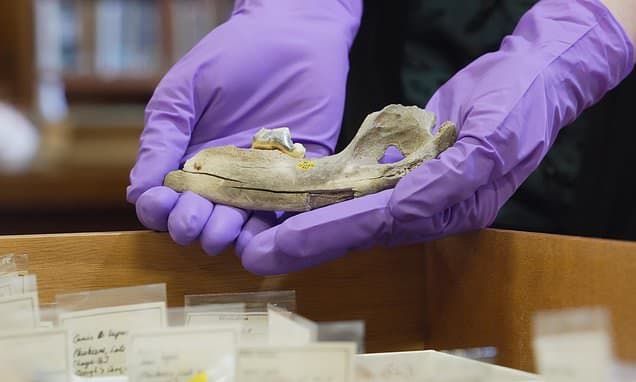
Scientists have unearthed compelling evidence suggesting dogs have been human companions for over 16,000 years, significantly extending our understanding of this ancient relationship. The research involved studying DNA from over 200 ancient dog and wolf remains, with the oldest samples dating back approximately 15,800 years.
This groundbreaking genetic analysis revealed that dogs were already distributed across Western Europe and Asia around 14,200 years ago. At this time, humans were primarily hunter-gatherers who were constantly migrating, indicating that dogs were integrated into these mobile societies long before agriculture emerged.
The study also noted that these ancient European and Asian dog genes remained relatively consistent and were less influenced by the later migrations of agricultural peoples. This suggests their genetic lineage was more shaped by interactions within hunter-gatherer groups over millennia.
While the exact appearance of the earliest dogs remains elusive, researchers hypothesize they may have resembled smaller wolf breeds. This enduring bond, originating thousands of years ago, continues to thrive today, underscoring the deep historical connection between humans and dogs.