Home / Science / Ocean Experiment: A Climate Fix or Reckless Gamble?
Ocean Experiment: A Climate Fix or Reckless Gamble?
10 Mar
Summary
- Scientists dispersed 65,000 liters of sodium hydroxide in the Gulf of Maine.
- The experiment aimed to boost ocean alkalinity for carbon absorption.
- Early results showed increased local pH and carbon uptake, with no harm to plankton.
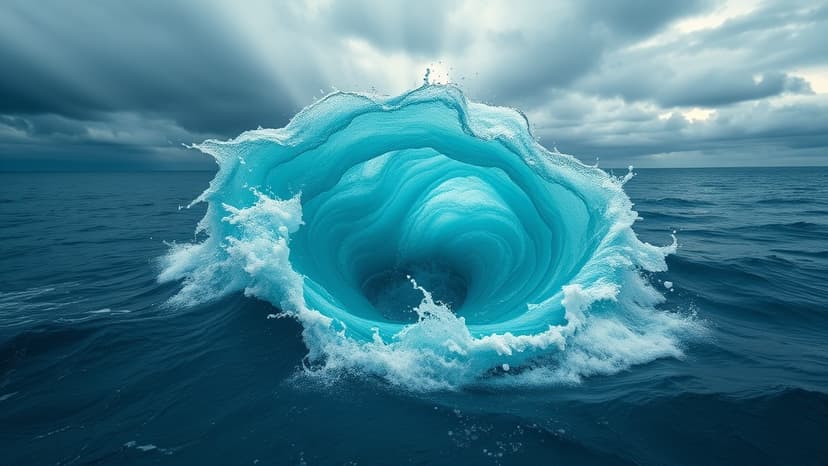
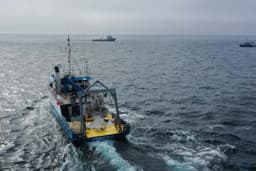
A recent experiment in the Gulf of Maine involved the dispersal of 65,000 liters of sodium hydroxide to test Ocean Alkalinity Enhancement (OAE). This method aims to increase the ocean's natural ability to absorb carbon dioxide, mimicking geological weathering but on a faster, human-driven timescale.
The research, conducted 50 miles off Massachusetts, observed an increase in local pH from 7.95 to 8.3, returning it to preindustrial levels. Preliminary findings, which have yet to undergo peer review, indicated that up to 10 tonnes of carbon entered the ocean during the five-day test. The experiment also showed no significant harm to plankton, fish, or lobster larvae.
While proponents view OAE as a crucial stewardship tool for managing atmospheric carbon, critics express profound concerns about potential catastrophic unforeseen consequences if implemented at scale. Historical precedents like liming rivers to combat acid rain offer some evidence of success with alkaline treatments.
Future modeling will assess the long-term carbon absorption capabilities of the dispersed chemical plume. If successful, the initial dispersal could absorb approximately 50 tonnes of CO2 over a year, equivalent to the annual emissions of five UK citizens. The research team emphasizes a cautious, transparent approach, engaging with stakeholders like local fishers.