Home / Science / Nuclear Power Launches into Space Era
Nuclear Power Launches into Space Era
8 Jul
Summary
- A prototype nuclear satellite was launched into orbit.
- City Labs' "NanoTritium" technology uses tritium decay for power.
- This launch marks a historic step for commercial nuclear power in space.
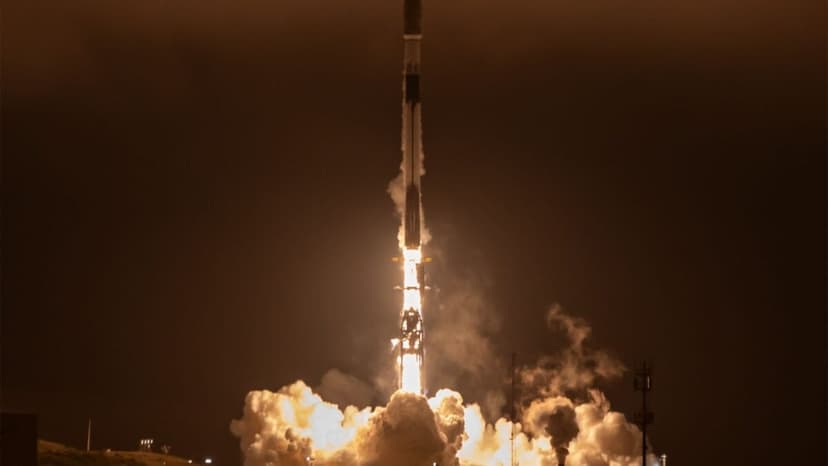
The satellite industry is entering a nuclear era with the recent launch of the BOHR prototype by City Labs. This commercial satellite, part of SpaceX's Transporter-17 mission, tests "NanoTritium" betavoltaic technology, which harnesses power from the decay of tritium, a hydrogen isotope. Unlike solar arrays and batteries that face limitations, this nuclear system promises persistent, always-on power generation.
The BOHR satellite, while currently solar-powered for general operations, is demonstrating its betavoltaic system's ability to power a dedicated instrument. This capability is crucial for spacecraft operating in environments with limited sunlight, such as the Moon's shadowed polar regions. City Labs' endeavor also marks a significant achievement in regulatory approval, having navigated the Federal Aviation Administration's pathway for nuclear launch authorization.
This advancement opens doors for continuous payload operations without the constraints of solar availability or battery degradation. The successful validation of City Labs' technology could enable future spacecraft missions that venture deeper into space, supporting NASA's lunar exploration goals and potentially powering lunar infrastructure or transportation systems. This development signifies a turning point for the spaceflight industry as it seeks reliable power solutions for extended deep-space missions.


