feedzop-word-mark-logo
searchLogin
Feedzop
homeFor YouIndiaIndia
You
bookmarksYour BookmarkshashtagYour Topics
Trending
Terms of UsePrivacy PolicyAboutJobsPartner With Us

© 2026 Advergame Technologies Pvt. Ltd. ("ATPL"). Gamezop ® & Quizzop ® are registered trademarks of ATPL.

Gamezop is a plug-and-play gaming platform that any app or website can integrate to bring casual gaming for its users. Gamezop also operates Quizzop, a quizzing platform, that digital products can add as a trivia section.

Over 5,000 products from more than 70 countries have integrated Gamezop and Quizzop. These include Amazon, Samsung Internet, Snap, Tata Play, AccuWeather, Paytm, Gulf News, and Branch.

Games and trivia increase user engagement significantly within all kinds of apps and websites, besides opening a new stream of advertising revenue. Gamezop and Quizzop take 30 minutes to integrate and can be used for free: both by the products integrating them and end users

Increase ad revenue and engagement on your app / website with games, quizzes, astrology, and cricket content. Visit: business.gamezop.com

Property Code: 5571

Home / Science / Ancient Sea Cow Fueled Climate Solutions 21M Years Ago

Ancient Sea Cow Fueled Climate Solutions 21M Years Ago

1 Jan

•

Summary

  • Newly discovered ancient sea cow lived 21 million years ago.
  • Fossil remains found in Qatar show sea cows were ecosystem engineers.
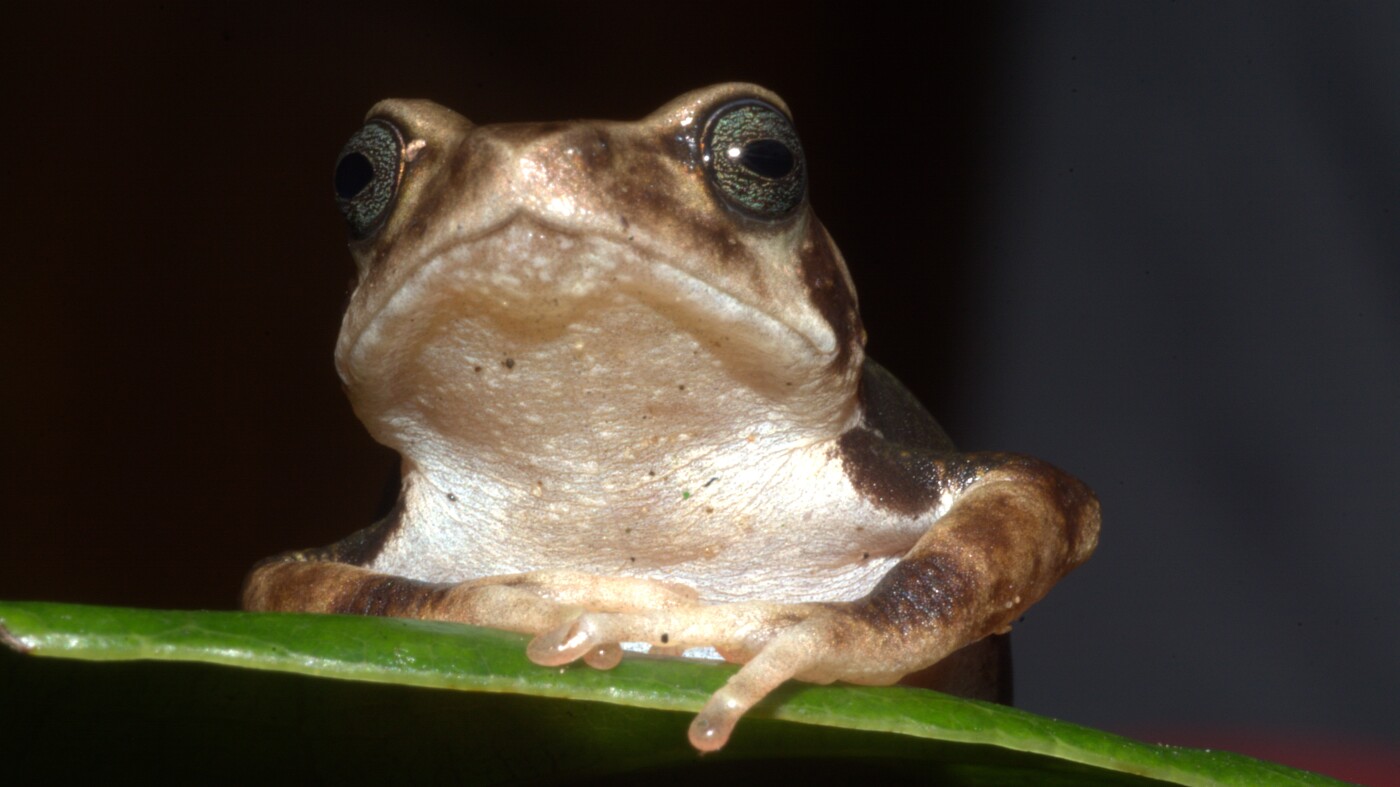
  • New species of toads giving birth to live young discovered in Tanzania.
Ancient Sea Cow Fueled Climate Solutions 21M Years Ago

Scientists have unveiled Salwasiren qatarensis, an ancient sea cow species discovered in Qatar that lived 21 million years ago. These mammals were crucial 'ecosystem engineers,' nurturing seagrass beds that store significant carbon, thus contributing to natural climate solutions. Their fossilized remains reveal a vital role in coastal ecosystems of the Persian Gulf, promoting biodiversity through nutrient cycling.

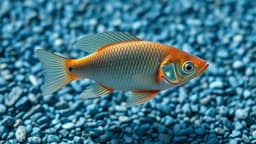
Beyond marine life, new species discoveries continue across diverse environments. A unique mouse opossum, Marmosa chachapoya, was identified high in the Peruvian Andes, emphasizing the region's biodiversity. Meanwhile, a new genus of spider, Siskiyu armilla, was discovered in Northern California, underscoring the state's rich arachnid diversity. Additionally, a striking bumpy snailfish was documented off the coast of Central California.

trending

SEC warns illegal online lenders

trending

POCO M8 5G launching India

trending

Netflix releases Satyam episode

trending

Mumbai police return lost phones

trending

Qatar Airways Platinum Award

trending

Leão strike takes AC Milan

trending

Ronaldo returns Saudi Pro League

trending

Rayo Vallecano-Getafe Madrid derby

trending

Sporting held to Liga draw

Further surprising finds include three new species of toads in Tanzania belonging to the genus Nectophrynoides, notable for giving birth to live young rather than laying eggs. These discoveries, some dating back over a century in research, highlight the vast, unexplored biodiversity of our planet and the urgent need for conservation efforts amidst climate change and human impact.

Disclaimer: This story has been auto-aggregated and auto-summarised by a computer program. This story has not been edited or created by the Feedzop team.
Salwasiren qatarensis acted as an 'ecosystem engineer,' browsing seagrass and releasing nutrients that supported a healthier, more diverse marine environment.
Three new species of toads that give birth to live young were discovered in the highlands of Tanzania.
The article highlights the discovery of at least five new species, including an ancient sea cow, a mouse opossum, a spider, a snailfish, and three types of toads.

Read more news on

Scienceside-arrowQatarside-arrow

You may also like

Artemisinin Resistance Spreads: Africa Faces New Threat

16 Dec, 2025 • 134 reads

article image

Desert Yields New Ancient Sea Cow Species

17 Dec, 2025 • 71 reads

article image

China's Waters Reveal Mysterious New Jellyfish

15 Dec, 2025 • 43 reads

article image

Ethiopian Fossils Rewrite Human Family Tree

8 Dec, 2025 • 130 reads

article image

Bengaluru Lakes Dying: Invasive Species Outcompete Natives

3 Dec, 2025 • 146 reads

article image