

Home / Science / Space Race Renewed: Wonder Meets Geopolitical Risk
Space Race Renewed: Wonder Meets Geopolitical Risk
7 Apr
Summary
- New space race mirrors 1960s geopolitical rivalries with tech billionaires.
- Artemis program faces criticism as a costly distraction from Earth's ecological crises.
- Astronauts' journey to the moon's far side inspires wonder despite darker implications.
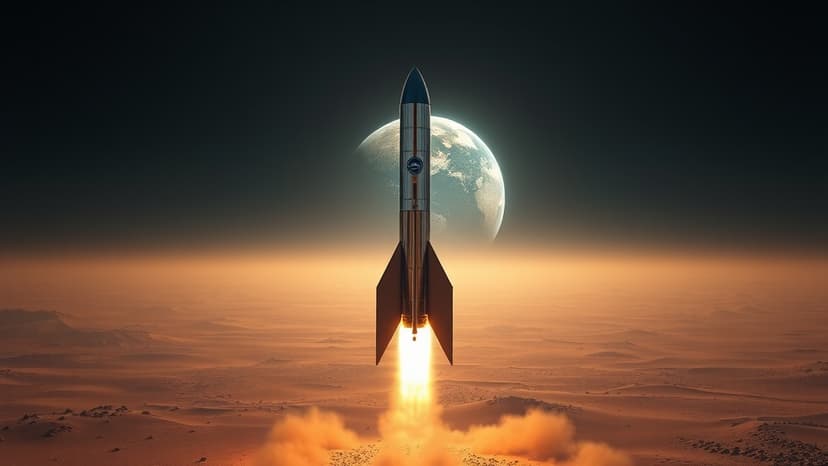
The contemporary drive for space exploration, marked by a new space race, carries both inspiration and significant geopolitical undertones. Astronauts, like Christina Koch, express a deepened appreciation for Earth after viewing it from afar, a sentiment reminiscent of the "Earthrise" photograph's impact on the environmental movement. However, this era's space ambitions, heavily influenced by tech billionaires and framed by US-China rivalry, mirror the military projections of the 1960s space race.
Concerns are mounting that extensive programs such as NASA's £100bn Artemis initiative may divert crucial resources and attention from pressing ecological challenges on Earth. Critics argue that a focus on colonizing new worlds, termed "techno-optimism," can border on "moral nihilism" when it overshadows efforts to protect our current planet. Despite these critiques, the inherent human curiosity and scientific endeavors driving space travel continue to garner support.
Recent missions, like the Artemis II lunar voyage, have showcased a rare display of bipartisan backing for NASA. The accomplishments of scientists, astronauts, and support teams are celebrated, distinct from political rhetoric. Research for future missions focuses on lunar resources, astronaut health, and the impact of space travel, underscoring the multifaceted nature of humanity's ongoing reach for the stars.
