Home / Science / Students Discover New Human Muscle
Students Discover New Human Muscle
5 Nov
Summary
- Two Tulane sophomores found an unidentified muscle in a cadaver.
- The discovery occurred in the cadaver lab during a routine dissection.
- The new muscle may have implications for hip surgery and physical therapy.
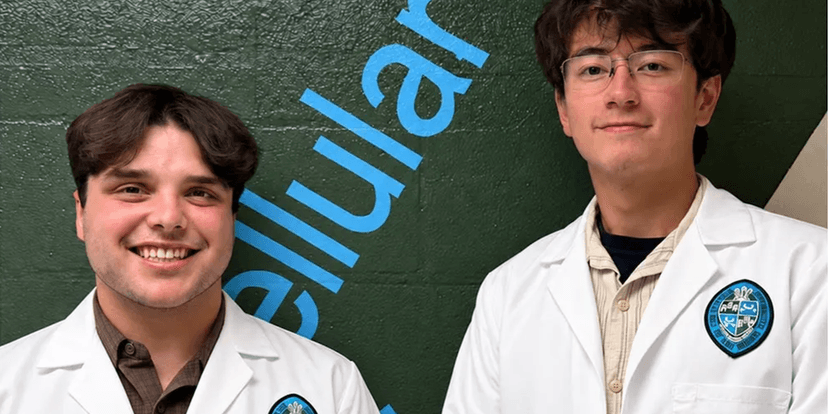
In 2024, Tulane University sophomores Dominic Roy and Cooper Bruce made a significant anatomical discovery. While dissecting a cadaver in the university's lab, they encountered a muscle in the pelvis that neither they nor their professor, R. Shane Tubbs, could immediately identify. This led to extensive research, culminating in the identification of a new human muscle.
Published recently in the journal Clinical Anatomy, the findings suggest this muscle may play a role in stabilizing the psoas major. Dr. Tubbs noted that understanding this muscle's function and visibility on imaging could refine treatments for patients undergoing hip surgery. Awareness of this muscle could influence physical therapy and surgical approaches, potentially alleviating pain or improving recovery.
Further research is planned to determine the muscle's exact function and prevalence. Interestingly, similar muscle attachments were observed in gorillas, hinting at an evolutionary connection. The discovery underscores that human anatomy is still a field with ongoing exploration, inspiring the students to pursue careers in medicine and emphasizing the value of hands-on anatomical study.


