

Home / Science / New Bacteria Discovery Offers Hope for Noma Treatment
New Bacteria Discovery Offers Hope for Noma Treatment
25 Apr
Summary
- A newly identified Treponema bacteria species was found in Nigerian noma patients.
- Noma is a severe childhood disease fatal in 90% of untreated cases.
- Early detection of this bacteria could prevent disfigurement and death.
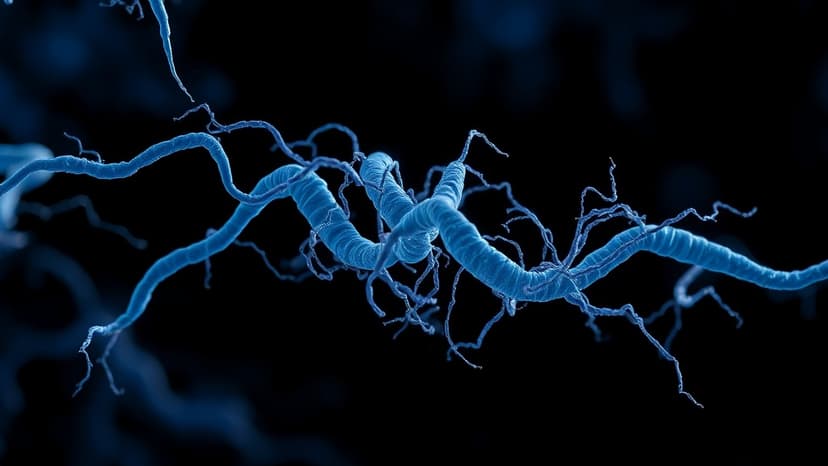
A significant breakthrough in understanding noma, a disfiguring and often fatal childhood disease, has been announced with the discovery of a previously unknown bacterial species. This new Treponema bacteria, tentatively named Treponema A, was identified in samples from noma patients in Nigeria by researchers from the Liverpool School of Tropical Medicine. Noma, primarily affecting malnourished children in regions like the Sahel, begins as a mouth sore and can destroy facial tissues, leading to death in 90% of cases if untreated.
Scientists are now investigating whether Treponema A directly causes noma or colonizes existing wounds. The discovery holds promise for developing early detection tests and more targeted antibiotic treatments. Such advancements could prevent the progression of the disease, sparing children from severe disfigurement, lifelong stigma, and death. Current treatments, while effective, carry the risk of increasing antimicrobial resistance. The presence of this specific bacteria could also pave the way for probiotic interventions to restore healthy oral bacteria levels.
The research, also involving institutions like the University of Liverpool and Médecins Sans Frontières, highlights the urgent need for more attention and funding for neglected tropical diseases. Experts believe this finding is a crucial first step toward unraveling the mysteries of noma and developing effective strategies to combat it.
