feedzop-word-mark-logo
searchLogin
Feedzop
homeFor YouIndiaIndia
You
bookmarksYour BookmarkshashtagYour Topics
Trending
Terms of UsePrivacy PolicyAboutJobsPartner With Us

© 2026 Advergame Technologies Pvt. Ltd. ("ATPL"). Gamezop ® & Quizzop ® are registered trademarks of ATPL.

Gamezop is a plug-and-play gaming platform that any app or website can integrate to bring casual gaming for its users. Gamezop also operates Quizzop, a quizzing platform, that digital products can add as a trivia section.

Over 5,000 products from more than 70 countries have integrated Gamezop and Quizzop. These include Amazon, Samsung Internet, Snap, Tata Play, AccuWeather, Paytm, Gulf News, and Branch.

Games and trivia increase user engagement significantly within all kinds of apps and websites, besides opening a new stream of advertising revenue. Gamezop and Quizzop take 30 minutes to integrate and can be used for free: both by the products integrating them and end users

Increase ad revenue and engagement on your app / website with games, quizzes, astrology, and cricket content. Visit: business.gamezop.com

Property Code: 5571

Home / Science / Beyond Dopamine: Real Science on Why We Need Each Other

Beyond Dopamine: Real Science on Why We Need Each Other

12 Jan

•

Summary

  • Social isolation significantly worsens stroke recovery and increases mortality risk.
  • Chronic stress from loneliness elevates inflammation, harming organs and healing.
  • Human brains evolved to seek connection for survival and well-being.
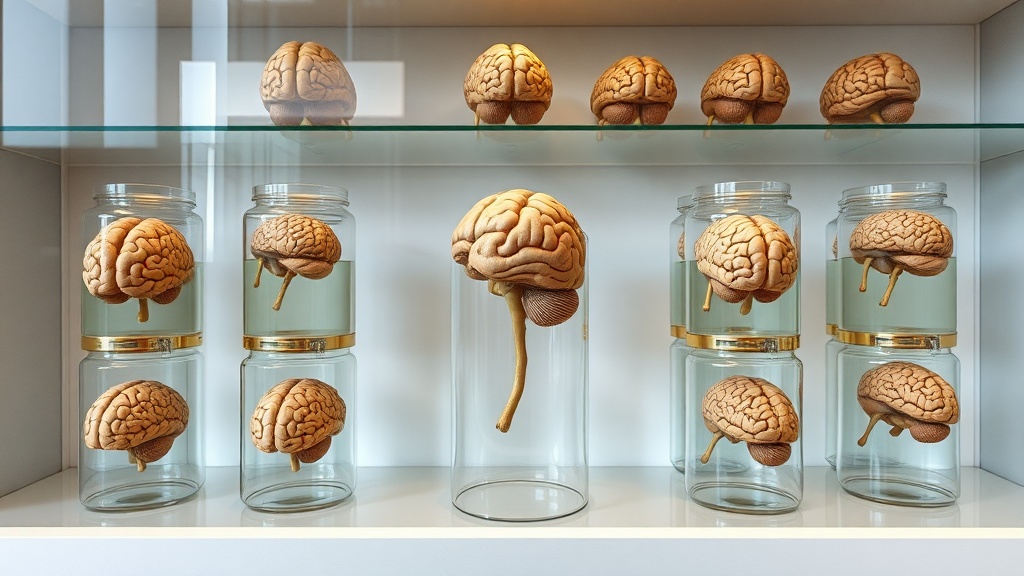
Beyond Dopamine: Real Science on Why We Need Each Other

Neuroscientist Ben Rein emphasizes that social connection is crucial for physical and mental recovery. Isolation, whether from online detachment or a "post-interaction world," triggers a harmful stress response. This leads to elevated cortisol, which paradoxically suppresses inflammation initially but causes chronic inflammation with sustained isolation, impacting organ health and impeding healing processes.

Research shows isolated mice and humans experience worse stroke outcomes and higher mortality rates. In contrast, social interaction releases oxytocin, a hormone that combats inflammation, reduces stress, and aids wound healing. Studies indicate married individuals, with higher oxytocin levels, exhibit better cancer survival rates.

Rein argues our brains are evolutionarily designed to seek social bonds for survival, stimulating beneficial neurotransmitters like serotonin and dopamine. Despite this, modern life and online interactions hinder genuine connection. He advocates for prioritizing real-life interactions, even simple positive exchanges, to improve individual health and foster a more connected society.

Disclaimer: This story has been auto-aggregated and auto-summarised by a computer program. This story has not been edited or created by the Feedzop team.
Ben Rein criticizes the inaccurate neuroscience content prevalent on social media, urging scientists to provide accurate information online.
Isolation triggers a stress response, leading to chronic inflammation that harms organs and hinders recovery from illness.
Oxytocin, released during social bonding, is anti-inflammatory, suppresses stress, and promotes healing, contributing to better health outcomes.

Read more news on

Scienceside-arrow
trending

Indigo flight bomb threat

trending

JioHotstar entertainment watch time grew

trending

WPL 2026: UPW vs MI

trending

iPhone 18 Pro details leaked

trending

Bangladesh asks ICC swap groups

trending

India squad for Australia tour

trending

Kohli hits 85th hundred

trending

India vs New Zealand decider

trending

India vs New Zealand ODI

trending

Gill brings water purifier

You may also like

Exercise Fights Depression as Effectively as Therapy

1 day ago • 7 reads

article image

Risky Meds Still Given to Dementia Patients

13 Jan • 29 reads

article image

Antidepressant's Hidden Cost: Sex Life Suffers

15 Dec, 2025 • 153 reads

article image

Coffee's Hidden Drug Interactions Revealed

7 Dec, 2025 • 184 reads

article image

Laughing Gas: New Hope for Depression?

1 Dec, 2025 • 187 reads

article image