
Home / Science / Ancient Pit Homes Reveal 3,500-Year-Old Life
Ancient Pit Homes Reveal 3,500-Year-Old Life
3 May
Summary
- Neolithic pit houses found near Coimbatore, dating back 3,500 years.
- Evidence suggests storage, shelter, and possible kitchen use in pits.
- Skeletal remains of infants confirm ancient burial practices near homes.
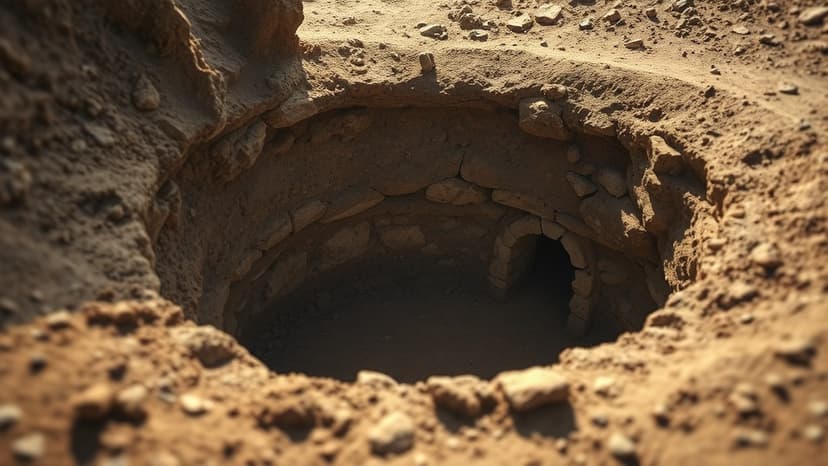
Archaeologists have unearthed rare 'pit houses' dating back 3,500 years to the Neolithic period in Molapalayam, near Coimbatore. These ancient dwellings were likely used by an agro-pastoral community for storing food or as shelter from natural disasters. Some pits contained grinding stones, indicating they may have served as kitchens. Excavations revealed skeletal remains of two infants, confirming that ancient peoples buried their dead close to their homes. This discovery echoes similar findings at other Neolithic sites in the region. Evidence from bone and plant remains suggests the inhabitants reared livestock like cattle, sheep, and goats, and cultivated millets and pulses. Artefacts such as shell pendants hint at contact with coastal communities. The site yielded numerous grinding stones, an earthen lamp, and skilled pottery, including burnished red ware, black ware, and black-and-red ware. Stone tools like hand axes and microliths, along with bone tools, were also found. Researchers believe the community may have lived in these higher-rainfall areas from June to December, potentially relocating near the Siruvani river during drier months. Plant remains identified include various millets, while bone analysis indicates hunting of diverse animals, including cattle, sheep, and even rhinoceros, suggesting this animal once roamed the Western Ghats foothills.
