

Home / Science / Near-Death Visions: Science vs. Afterlife?
Near-Death Visions: Science vs. Afterlife?
5 Feb
Summary
- Near-death experiences are being debated by neuroscientists.
- Researchers explore biological explanations for spiritual journeys.
- Scientific models face challenges from contrasting evidence.
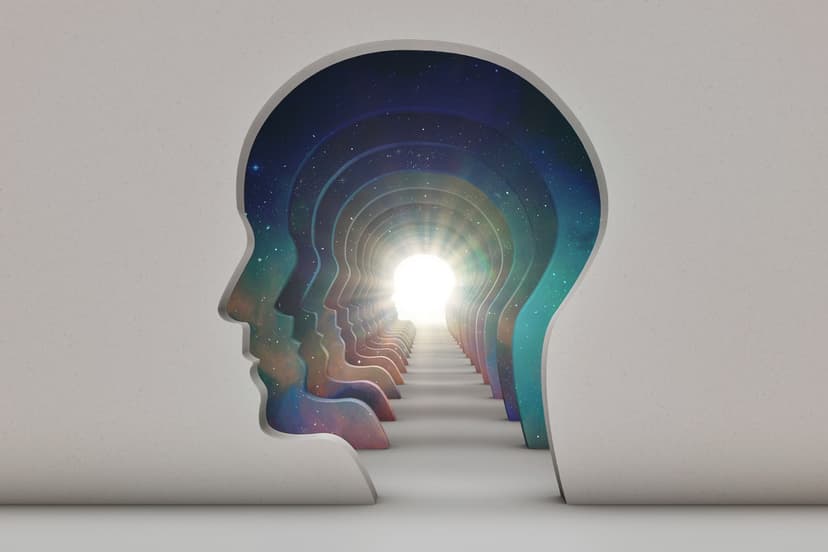
The nature of near-death experiences (NDEs) is a subject of intense scientific debate. Researchers like Charlotte Martial are developing models, such as NEPTUNE, to explain common NDE elements like out-of-body sensations and tunnel visions through neurobiological processes. These explanations often link to physiological changes in the brain during critical events like cardiac arrest.
However, this scientific approach faces challenges. Bruce Greyson and Marieta Pehlivanova critique such models, arguing that they fail to fully account for the depth and spiritual nature of NDEs reported by individuals. They contend that elements of these experiences, such as encounters with deceased persons, go beyond mere physiological illusions.
This scientific inquiry into consciousness beyond death has profound implications, prompting discussions about the afterlife and the limits of empirical evidence. The debate highlights the difficulty in scientifically analyzing subjective experiences, pushing the boundaries of neurology and philosophy.
While prospective studies are underway to gather more objective data, the core questions about what happens when we approach death remain open. The experiences, often life-transforming for those who undergo them, continue to fuel curiosity and scientific investigation.