Home / Science / Altamura Man Skull Rewrites Neanderthal History
Altamura Man Skull Rewrites Neanderthal History
11 Dec
Summary
- Neanderthal skulls have larger nasal cavities than modern humans.
- Altamura Man's skull lacks structures to warm and moisten air.
- Study challenges theories on Neanderthal cold adaptation and extinction.
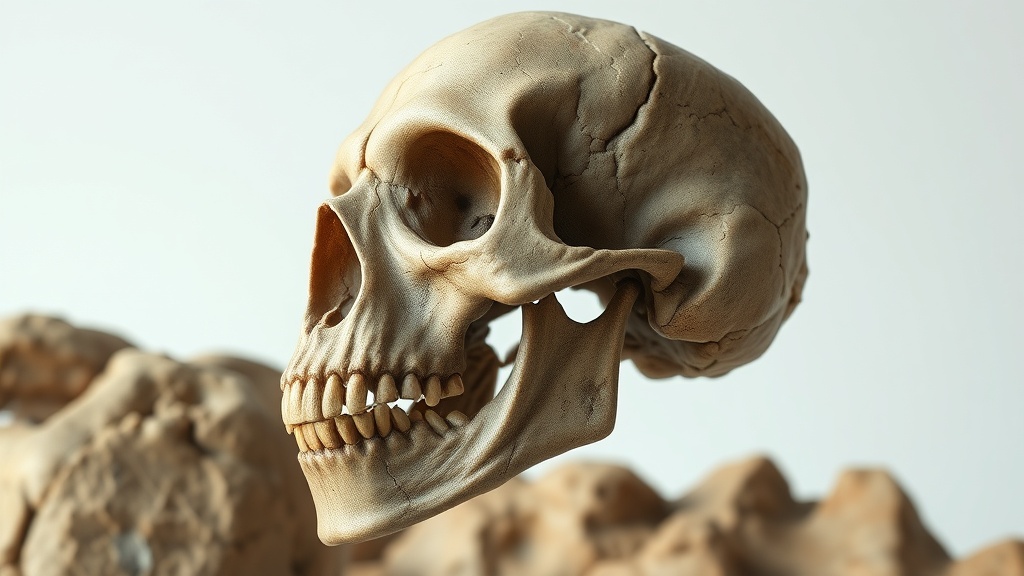
The prevailing theory that Neanderthals possessed nasal structures specifically adapted to breathing cold Ice Age air is now being questioned following new research on Altamura Man. It was long hypothesized that their larger nasal cavities contained features to warm and humidify incoming air, offering a significant advantage in frigid environments.
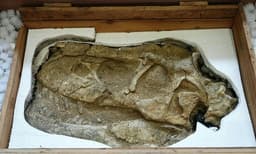
However, a recent nasal endoscopy conducted on the exceptionally well-preserved skull of Altamura Man, discovered in Italy, found no evidence of these delicate, specialized structures. This discovery suggests that Neanderthal noses may not have been as uniquely adapted to cold as previously assumed by scientists.
This revelation has significant implications for understanding Neanderthal extinction. If their nasal adaptation to cold was not as pronounced, and if they were equally capable of adapting to the warmer post-ice-age climate, then alternative explanations for their disappearance must be explored.