feedzop-word-mark-logo
searchLogin
Feedzop
homeFor YouIndiaIndia
You
bookmarksYour BookmarkshashtagYour Topics
Trending
trending

Telangana shivers as mercury drops

trending

iOS 26.2 update coming soon

trending

School holiday on December 10

trending

Nothing Phone 3a launched

trending

Hindustan Zinc shares rally 4%

trending

Corona Remedies IPO: GMP stable

trending

Silver prices show more strength

trending

UIDAI bans Aadhaar photocopies

trending

KOSPI opens lower before FOMC

Terms of UsePrivacy PolicyAboutJobsPartner With Us

© 2025 Advergame Technologies Pvt. Ltd. ("ATPL"). Gamezop ® & Quizzop ® are registered trademarks of ATPL.

Gamezop is a plug-and-play gaming platform that any app or website can integrate to bring casual gaming for its users. Gamezop also operates Quizzop, a quizzing platform, that digital products can add as a trivia section.

Over 5,000 products from more than 70 countries have integrated Gamezop and Quizzop. These include Amazon, Samsung Internet, Snap, Tata Play, AccuWeather, Paytm, Gulf News, and Branch.

Games and trivia increase user engagement significantly within all kinds of apps and websites, besides opening a new stream of advertising revenue. Gamezop and Quizzop take 30 minutes to integrate and can be used for free: both by the products integrating them and end users

Increase ad revenue and engagement on your app / website with games, quizzes, astrology, and cricket content. Visit: business.gamezop.com

Property Code: 5571

Home / Science / Nature's Misinformation: Fish, Flies, Bacteria Spread Falsehoods

Nature's Misinformation: Fish, Flies, Bacteria Spread Falsehoods

10 Dec

•

Summary

  • Misinformation exists in natural systems like fish schools and bacteria.
  • Cornell researchers developed models to study disinformation in any species.
  • Nature's solutions to misinformation may inspire human strategies.
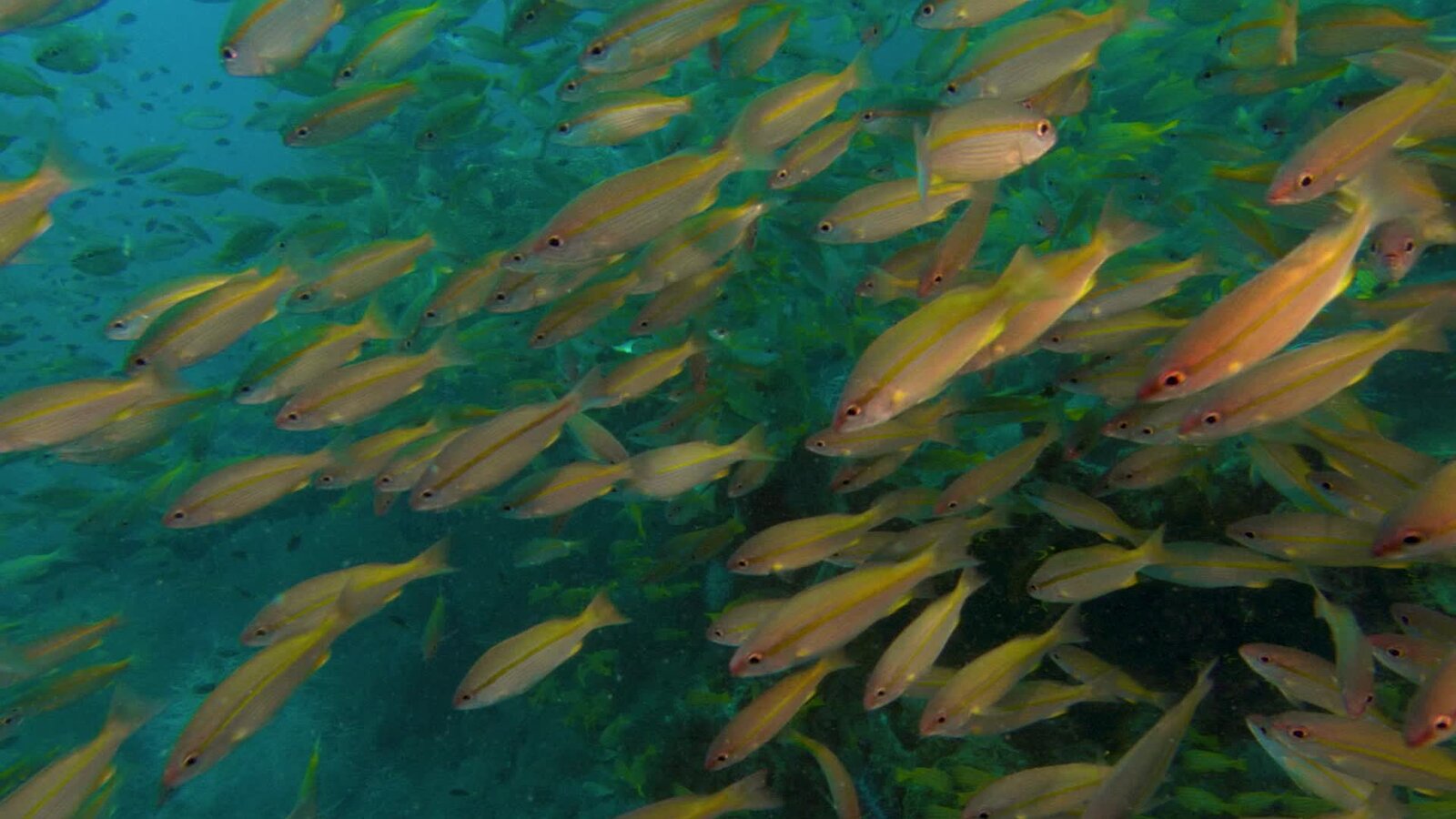
Nature's Misinformation: Fish, Flies, Bacteria Spread Falsehoods

Misinformation cascades, once thought to be a human-specific problem amplified by social media, are now understood to be prevalent in natural systems. Researchers observe fish schools, bacteria, and other organisms engaging in the spread of false information, impacting collective behaviors and survival.

Cornell researchers have developed mathematical models to analyze these natural disinformation phenomena. These models aim to quantify the accuracy of beliefs within species and how external information influences them, suggesting misinformation is a fundamental aspect of communication systems in nature.

This research highlights that natural systems have evolved mechanisms to combat misinformation, such as adjusting sensitivity to information in larger groups. Exploring these biological strategies may provide innovative approaches for humans to manage the pervasive issue of misinformation.


Disclaimer: This story has been auto-aggregated and auto-summarised by a computer program. This story has not been edited or created by the Feedzop team.
Yes, fish schools have been observed to exhibit misinformation cascades, where false alarms can cause the entire school to flee unnecessarily.
Cornell researchers developed mathematical models to study how misinformation spreads and impacts various species, not just humans.
Researchers believe that by studying how natural systems cope with misinformation, humans may find new strategies to manage it.

Read more news on

Scienceside-arrow

You may also like

Ivy League Universities Targeted by Hackers

7 Dec • 23 reads

article image

New Study Uncovers Female Psychopath Traits

5 Dec • 10 reads

article image

Stein's Dream Job: Kentucky Head Coach

4 Dec • 27 reads

article image

US Backs Advanced Chip Tech with $150M Equity

2 Dec • 37 reads

article image

New Dementia: LATE Changes Diagnosis Landscape

29 Nov • 74 reads

article image