Home / Science / NASA's Moon Rocket Leaks: Persistent Hydrogen Problem
NASA's Moon Rocket Leaks: Persistent Hydrogen Problem
19 Feb
Summary
- Hydrogen leaks repeatedly delay NASA's Artemis moon missions.
- Hydrogen's lightweight nature offers high efficiency but causes leaks.
- Political decisions influenced NASA's use of shuttle-era hardware for SLS.
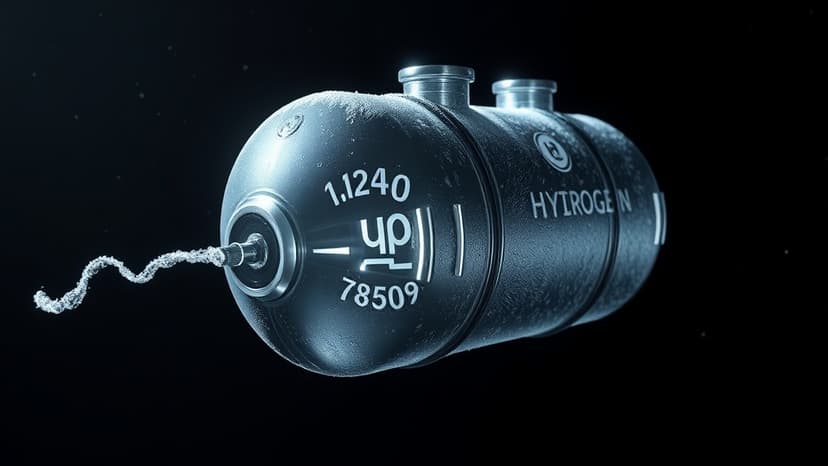
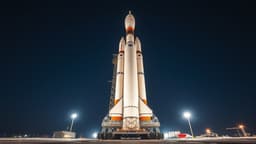
NASA's Artemis II mission, intended for a lunar slingshot, has encountered significant setbacks due to recurring liquid hydrogen leaks during pre-launch tests. These issues have forced multiple halts to fueling procedures, reminiscent of challenges faced during the uncrewed Artemis I mission in 2022 and even the historical Space Shuttle program. The core of the problem lies in hydrogen's inherent properties as the lightest element, making it highly efficient but notoriously difficult to contain.
Engineers have long grappled with hydrogen's tendency to leak due to its small molecular size and low density. Despite this, its superior specific impulse, a measure of fuel efficiency, makes it a favored choice for maximizing rocket performance. However, the decision to utilize Space Shuttle-era hardware and infrastructure for the Space Launch System (SLS) rocket has inherited these persistent leak challenges, as confirmed by policy experts.
NASA officials describe the SLS as an experimental vehicle still in its early stages of operation. Recent troubleshooting has focused on the Tail Service Mast Umbilical (TSMU), a critical component where leaks have been frequently observed. Technicians have replaced seals and are employing techniques to manage fuel line temperatures, with some recent tests showing improved leak rates, offering a glimmer of progress in mitigating this ongoing issue.