Home / Science / Mosquitoes' Top 3 Bacterial Friends Revealed
Mosquitoes' Top 3 Bacterial Friends Revealed
4 Aug
Summary
- Scientists identified three specific bacteria that attract mosquitoes.
- Mosquitoes are the world's deadliest animals, spreading many diseases.
- Study used 119 volunteers and three mosquito species in an olfactometer.
- Three core bacteria, Co. kefirresidentii, Cu. granulosum, and S. epidermidis, are consistently popular among mosquitoes.
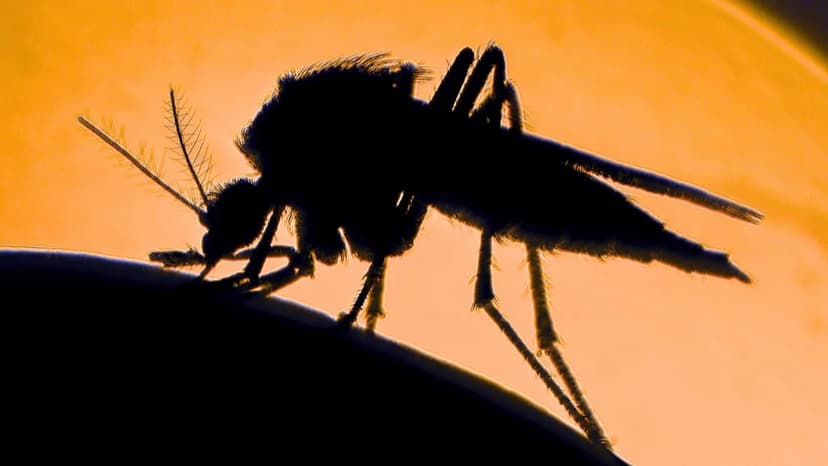
Mosquitoes, notorious for transmitting deadly diseases like malaria and dengue fever, are a significant global health concern. Scientists recently made a breakthrough in understanding why these insects disproportionately target certain individuals. A study involving 119 volunteers in Miami utilized an olfactometer to observe mosquito behavior towards different human hosts and their distinct skin microbiomes.
Researchers found that while each mosquito species showed varied preferences, three core bacterial species were consistently popular among all tested mosquitoes. These bacteria, identified as Co. kefirresidentii, Cu. granulosum, and Staphylococcus epidermidis, appear to broadly signal an attractive host to mosquitoes. This discovery offers new avenues for developing strategies to combat mosquito-borne illnesses.
The study also noted that different mosquito species reacted to varying volatile organic compounds (VOCs) on human skin. Some species seemed to avoid certain VOCs, while others were drawn to specific odor compounds. This complexity highlights the ongoing research into mosquito scent attraction and its relationship with the human skin microbiome.


