Home / Science / Ancient Microbes Held Key to Complex Life
Ancient Microbes Held Key to Complex Life
5 Mar
Summary
- Asgard archaea, ancient microbes, are now found in oxygen-tolerant coastal sediments.
- These microbes may have adapted to oxygen before merging with bacteria.
- This discovery sheds light on the evolution of complex life from simple microbes.
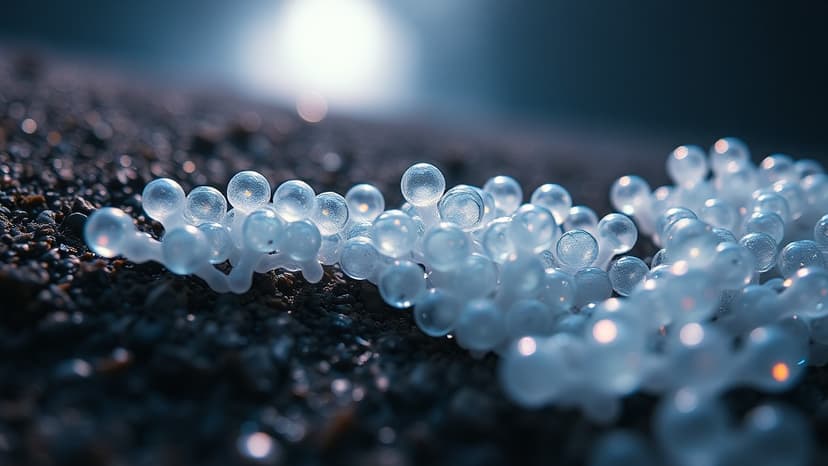
Scientists are closer to understanding the origins of complex life, revealing new details about our ancient microbial ancestors and their adaptation to oxygen. This discovery centers on Asgard archaea, a group of microbes previously believed to exclusively inhabit oxygen-deprived environments.
Recent investigations, published in Nature on February 18, have identified previously unknown lineages of Asgard archaea in shallow coastal sediments. Crucially, some of these lineages appear to be tolerant of and capable of utilizing oxygen, a significant finding given the Great Oxidation Event that occurred between 2.4 billion and 2.1 billion years ago.
This breakthrough challenges earlier theories that simple cells evolved by combining with oxygen-requiring bacteria. The new evidence suggests that Asgard archaea may have already developed oxygen-processing capabilities before merging with bacteria. This pre-existing tolerance could have facilitated their transition into eukaryotes, the complex cells that form all plants, fungi, and animals.
The research offers a compelling explanation for the appearance of eukaryotes shortly after the rise of atmospheric oxygen. Scientists are hopeful that future studies, including culturing modern Asgard microbes in laboratories, will further confirm these findings and potentially observe the process of eukaryogenesis within the next five to 10 years.