Home / Science / Life's Building Blocks Found in Space Rock
Life's Building Blocks Found in Space Rock
16 Aug
Summary
- Meteorite fragments contain diverse extraterrestrial amino acids.
- The space rock holds chemistry of the early solar system.
- Brine discovery suggests water's role in organic molecule formation.
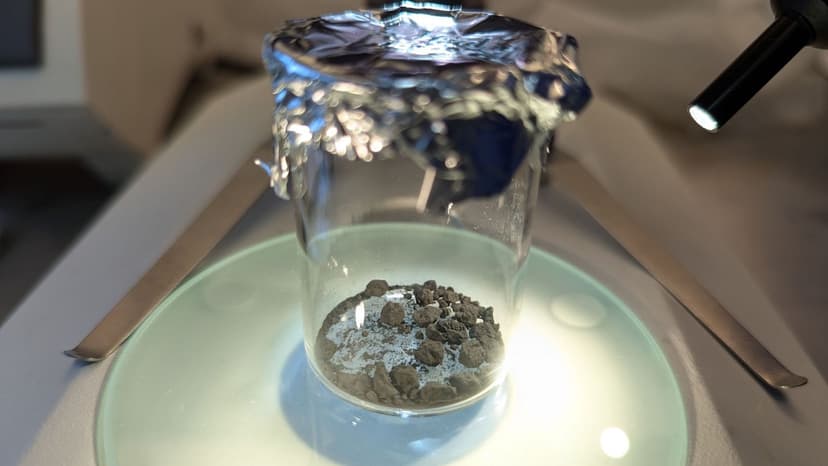
A meteorite that penetrated a New Jersey residence on July 17, 2024, has yielded significant scientific findings. The space rock, weighing approximately one kilogram, fragmented in the atmosphere, with one piece crashing through a bedroom ceiling in Hillsborough. Scientists have since analyzed this fragment, identifying a diverse array of extraterrestrial amino acids and carbon, substances vital for life.
This particular meteorite is classified as a CM½ carbonaceous chondrite, a rare type that offers a pristine glimpse into the early solar system. Its composition suggests it originated from a larger asteroid that likely existed between Mars and Jupiter. The presence of brine within the fragment is particularly noteworthy, indicating the past presence and activity of water on its parent body.
Researchers highlighted that the amino acids found in the Hillsborough meteorite are largely unknown on Earth, underscoring their extraterrestrial origin. This discovery strengthens the theory that meteorites delivered organic matter essential for the origin of life on our planet. The homeowners' swift action in collecting the sample minimized contamination, allowing for this detailed scientific examination. Fragments are now curated at the American Museum of Natural History.


