Home / Science / Dual Meteor Showers Peak Under Bright Moon
Dual Meteor Showers Peak Under Bright Moon
27 Jul
Summary
- Two meteor showers peak together late July 30-31.
- Bright moonlight may obscure fainter meteors.
- Look for bright fireballs from Alpha Capricornids.
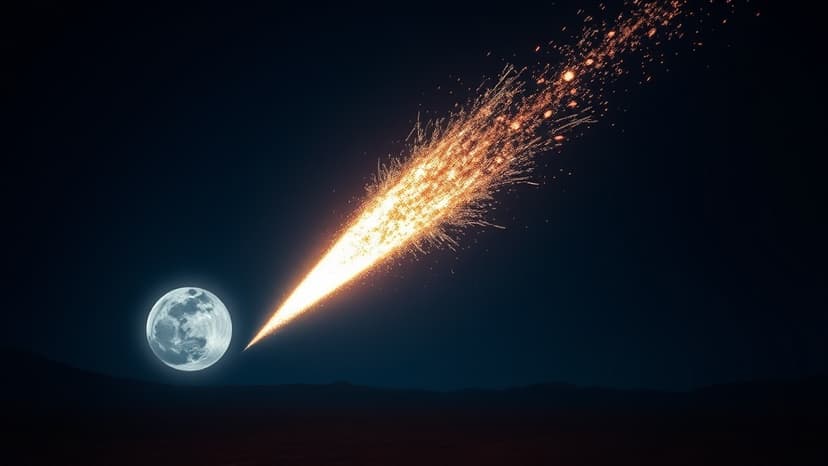
Skywatchers can anticipate a celestial event as two meteor showers, the Southern Delta Aquariids and Alpha Capricornids, reach their peak simultaneously between late July 30 and early July 31. This overlap signifies the unofficial beginning of meteor season in the Northern Hemisphere. Although a nearly full moon is expected to diminish the visibility of fainter meteors, dedicated observers may still witness notable shooting stars, including bright fireballs.
The Southern Delta Aquariids typically produce 20-25 meteors per hour, originating from debris of Comet 96P/Machholz. These meteors are often quick and faint. In contrast, the Alpha Capricornids, producing around five meteors per hour, are known for their slower, brighter fireballs that can leave visible trails, resulting from debris of Comet 169P/NEAT.
To maximize viewing chances, it is recommended to observe after midnight and into the pre-dawn hours. During this time, the meteors' radiant points will be higher in the sky, and the moon's glare will be reduced. Avoiding city lights by heading to rural or designated Dark Sky areas is crucial. While telescopes are not necessary, allowing eyes to adjust to the darkness for 20-30 minutes and scanning a wide area of the sky is advised. Upcoming celestial events include the Perseids in mid-August.


