Home / Science / Monk's Secret: Recycled Roman Sarcophagus Holds Medieval Mystery
Monk's Secret: Recycled Roman Sarcophagus Holds Medieval Mystery
23 Nov
Summary
- Skeleton in Roman sarcophagus identified as likely medieval monk.
- Carbon dating aligns with two 11th-century monks, Aelfwig or Wulnoth.
- Sarcophagus originally belonged to a 4th-century Roman Briton.
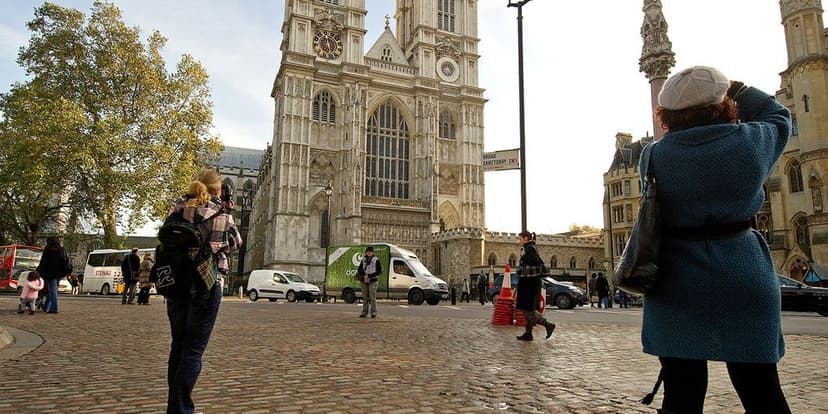
An unidentified skeleton unearthed in 1869 at Westminster Abbey has potentially been identified by archaeologists. Research suggests the remains belong to one of two high-ranking medieval monks who died in the 11th century. Carbon dating of the bones places them between 987 and 1052 A.D., aligning with the lifetimes of monks Aelfwig (died c. 1020) and Wulnoth (died 1049).
This individual was found interred within a Roman limestone sarcophagus inscribed for Valerius Amandinus, a 4th-century Briton. The presence of an early medieval Latin cross on the sarcophagus lid puzzled experts for over 150 years, indicating a significant historical recycling of the tomb.
Further analysis revealed the deceased monk was between 35 and 49 years old, stood 5 feet 9 inches tall, and that white lime residue inside the casket suggested a wooden coffin had once decayed within. The sarcophagus is currently displayed at Westminster Abbey.


