Home / Science / Medieval Graves Reveal 900-Year-Old Danish Hardships
Medieval Graves Reveal 900-Year-Old Danish Hardships
3 Dec
Summary
- Danish archaeologists discovered 77 medieval graves near Aarhus.
- Graves date back to the 12th century, offering insights into the poor.
- Skeletons show evidence of diseases, short life expectancy, and hardship.
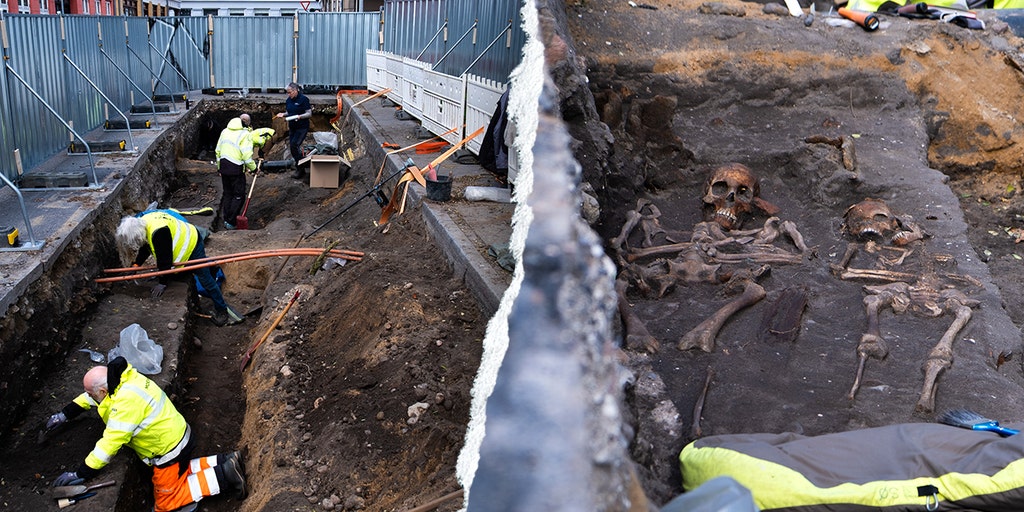
Danish archaeologists have made a significant discovery in Aarhus, unearthing 77 medieval graves from the 12th century. This cemetery, associated with St. Oluf's, offers a unique window into the lives of the less fortunate during the Middle Ages. The dense burial site reveals how disease and hardship shaped daily existence.
The uncovered skeletons exhibit numerous signs of illness, including potential leprosy and plague, reflecting a challenging environment with an average life expectancy of only 37 years. This contrasts with the burials of the affluent, who were interred at the nearby cathedral. The findings suggest a difficult life for the common people of Aarhus.
Among the remains, one individual was buried with a coin in their mouth, a practice reminiscent of ancient Greek traditions, possibly to secure passage to the afterlife. Further analysis is expected to reveal more about the specific causes of death and the health conditions prevalent during that era, shedding light on the tough realities of medieval life.