Home / Science / Mars' Molten Heart: New Clues to Ancient Habitability
Mars' Molten Heart: New Clues to Ancient Habitability
22 Jul
Summary
- Mars had extensive rivers of magma beneath its crust.
- Molten rock pooled underground, stretching for miles.
- This discovery increases the possibility of ancient Martian life.
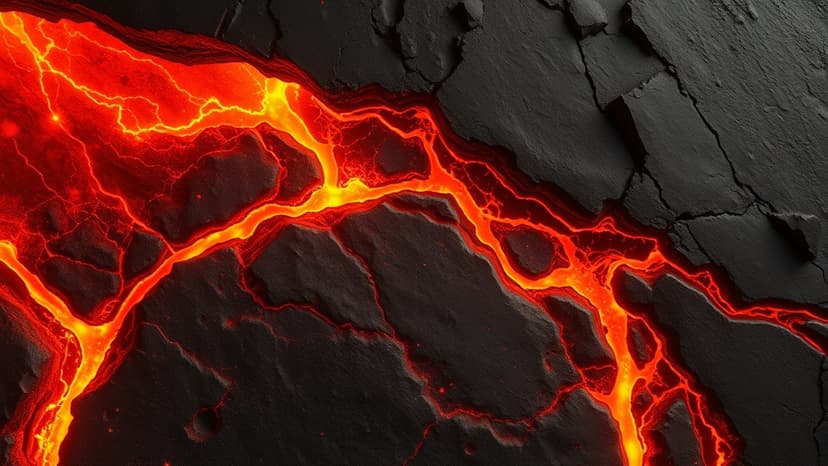
Recent findings indicate that Mars harbored extensive rivers of magma beneath its crust, significantly enhancing the planet's potential for ancient habitability. Data collected by NASA's Insight Lander, analyzed for seismic waves, revealed a mysterious boundary approximately 15 miles (24 km) below the Martian surface.
Scientists now believe this boundary is due to molten rock pooling and stretching for hundreds or even thousands of miles underground. This suggests a more intricate planetary plumbing system than the isolated magma chambers previously hypothesized.
Such a complex system could foster a chemically rich crust, essential for recycling elements and generating an atmosphere and oceans. This internal process may have helped regulate Mars' climate, a function previously thought exclusive to planets with plate tectonics. Consequently, rocky planets lacking plate tectonics may now warrant a re-evaluation for habitability.
This discovery expands the range of celestial bodies considered potentially habitable, encouraging scientists to reconsider planets previously dismissed due to geological limitations.


