

Home / Science / Marburg Hotspot: Wildlife & Humans Caught on Camera
Marburg Hotspot: Wildlife & Humans Caught on Camera
23 Apr
Summary
- Cameras captured wildlife and humans at a Marburg virus hotspot.
- The Python Cave in Uganda is a known natural reservoir for the virus.
- Many visitors ignored park rules, approaching the cave mouth closely.
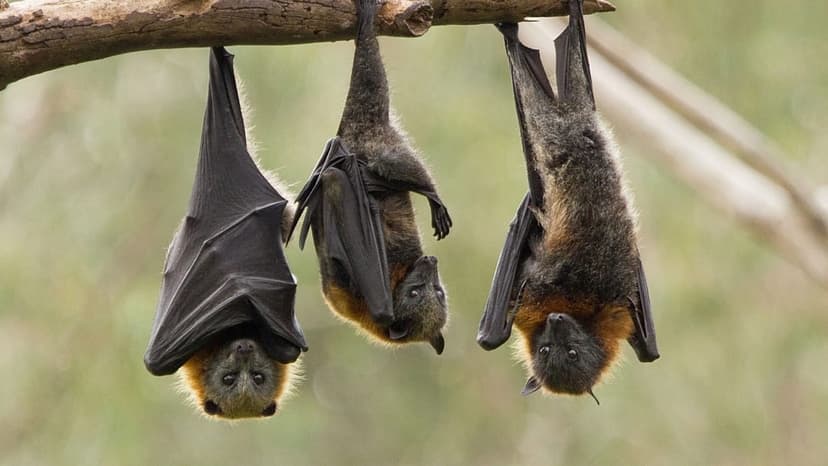
Scientists monitoring Uganda's Python Cave, a known natural reservoir for the deadly Marburg virus, have captured rare footage of wildlife and human activity. The cave is a hotspot for the virus, which is transmitted to people from fruit bats. Over 8,832 hours of footage recorded between February and June 2025 revealed numerous incursions, with detections of 14 species including vultures, baboons, and leopards.
Of particular concern were 214 human detections, with many visitors ignoring national park rules requiring them to stay at least 30 meters away from the cave mouth. Only one individual observed was wearing a mask, posing a significant risk for human exposure. This is especially worrying during bat birthing pulses when viral shedding is elevated.
The Python Cave has a history linked to Marburg virus transmission, notably the death of a Dutch woman in 2008 after visiting the site. The virus causes severe hemorrhagic fever, with symptoms including high fever, severe headache, muscle aches, diarrhea, and vomiting, often leading to shock and death within eight to nine days. Currently, no approved vaccines or treatments exist.
