
Home / Science / Madagascar: A Living Fossil Island!
Madagascar: A Living Fossil Island!
6 May
Summary
- Madagascar is the world's oldest island, isolated for millions of years.
- Over 90% of Madagascar's wildlife is endemic, including unique lemurs.
- Deforestation threatens Madagascar's fragile, unique ecosystems and species.
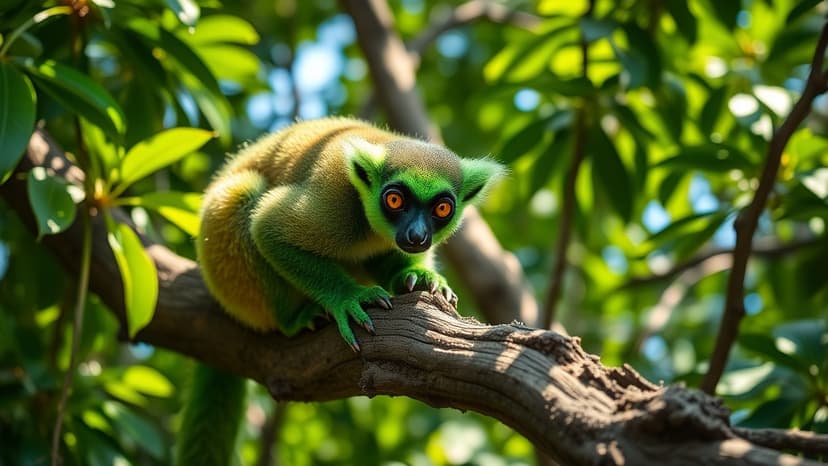
Madagascar stands as the world's oldest island, renowned for its unique evolutionary path over millions of years. Separated from Africa and India approximately 160 and 88 million years ago, respectively, this isolation allowed life to develop independently.
This distinct evolutionary journey has resulted in exceptional biodiversity, with over 90 percent of its wildlife being endemic. The island is particularly famous for its over 100 species of lemurs, each with unique adaptations.
Other unique inhabitants include the fossa, Madagascar's apex predator related to mongooses, and an astonishing diversity of reptiles, including numerous chameleon species. The island's landscapes range from lush rainforests to dry forests and unique spiny forests.
Despite its biological treasures, Madagascar's ecosystems are fragile and face significant threats. Around 40 percent of its forest areas have already been lost due to deforestation and human activities, placing many endemic species, like lemurs, at critical risk.
