Home / Science / Moon Power Race: Nuclear Reactors Headed for Lunar South Pole
Moon Power Race: Nuclear Reactors Headed for Lunar South Pole
31 Oct
Summary
- US and Russia plan lunar nuclear reactors by 2030 and 2036.
- Reactors will power mining of water ice for future bases.
- Previous Soviet space reactor launch scattered radioactive material.
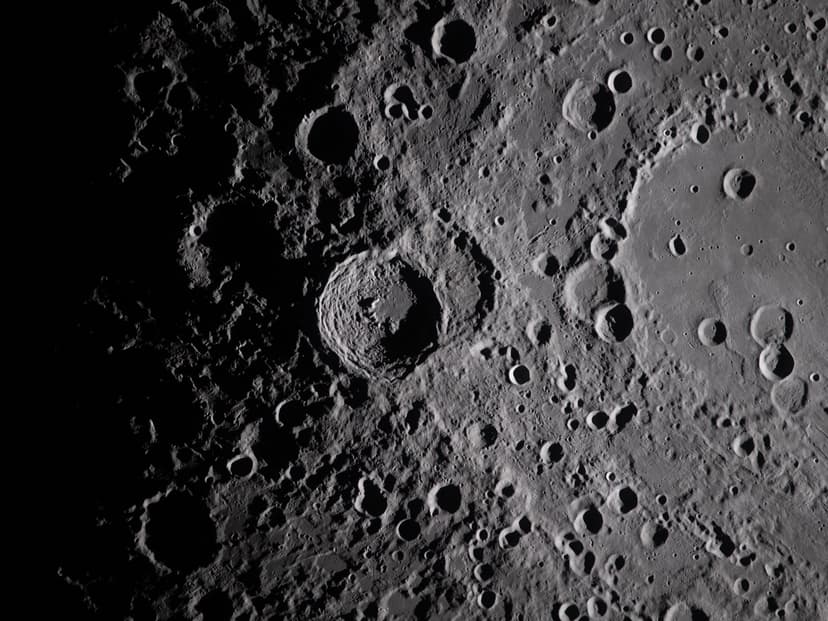
Nations are accelerating plans to place nuclear reactors on the moon, with the United States targeting a 2030 deployment and Russia, in collaboration with China, aiming for 2036. These lunar power sources are essential for future exploration and resource utilization.
The primary goal is to power mining operations for water ice, found in permanently shadowed craters near the moon's south pole. This ice could provide drinking water, air, and rocket fuel, supporting lunar bases for research and habitation. Solar power is considered insufficient due to the moon's limited sunlight exposure.
Historically, the Soviet Union launched over 30 nuclear reactors into Earth's orbit for spy satellites during the Cold War. The US has invested significantly in space nuclear programs but faced past setbacks. A 1965 US experiment, intended to power a satellite, shut down early due to an electrical failure.
Implementing these lunar reactors involves building them on Earth, transporting them via robotic spacecraft, and ensuring a safe landing. Both the US and Russia plan to keep reactors switched off until arrival to minimize radioactive risks. Concerns remain about potential accidents, such as the 1978 Soviet satellite incident that contaminated a large area of northern Canada.


