Home / Science / Scientists Find Life's Missing Link
Scientists Find Life's Missing Link
18 Feb
Summary
- Transitional microbes bridge the gap between simple and complex cells.
- Asgard microbes show early signs of complex cell features like skeletons.
- New research doubles the diversity of known Asgard archaea.
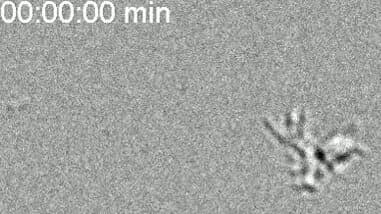
The evolution of complex cells from simpler prokaryotes over two billion years ago is becoming clearer with new discoveries. Scientists are identifying rare transitional microbes, like the Asgard archaea, that bridge this evolutionary gap. These microbes possess genes previously found only in eukaryotes, including those for cellular skeletons.
Recent expeditions have significantly expanded the known diversity of Asgard archaea, nearly doubling the total count with 404 new species identified. Researchers have even managed to observe live Asgard cells moving, demonstrating their ability to reshape their cellular skeletons to crawl. This movement is a key hallmark also seen in complex eukaryotic cells.
Further research suggests that early Asgard microbes evolved in oxygen-free environments before adapting to oxygen-rich coastal waters. This adaptation may have paved the way for gaining mitochondria, the powerhouses of eukaryotic cells. These findings bring the origin of eukaryotes into sharper focus, revealing crucial steps in life's history.